The Second World War was a turning point in the history of Western societies. For six years, the whole of society lived to the rhythm of the conflict: it produced, it was mobilized, it was rationed and it fought. The entire population was called on to contribute to the war effort, whether as soldiers or in a supporting role. No citizen escaped it. Of course, the war also had a profound impact on women. It was a time when they became far more visible in public life. At home and at work, they were called on to support the front. What made their participation distinctive was that they carried out tasks previously regarded as the preserve of men. To learn more about how and where the women of Montreal worked to hasten victory over Hitler's Germany, visit montrealyes.com.
The realities of wartime employment
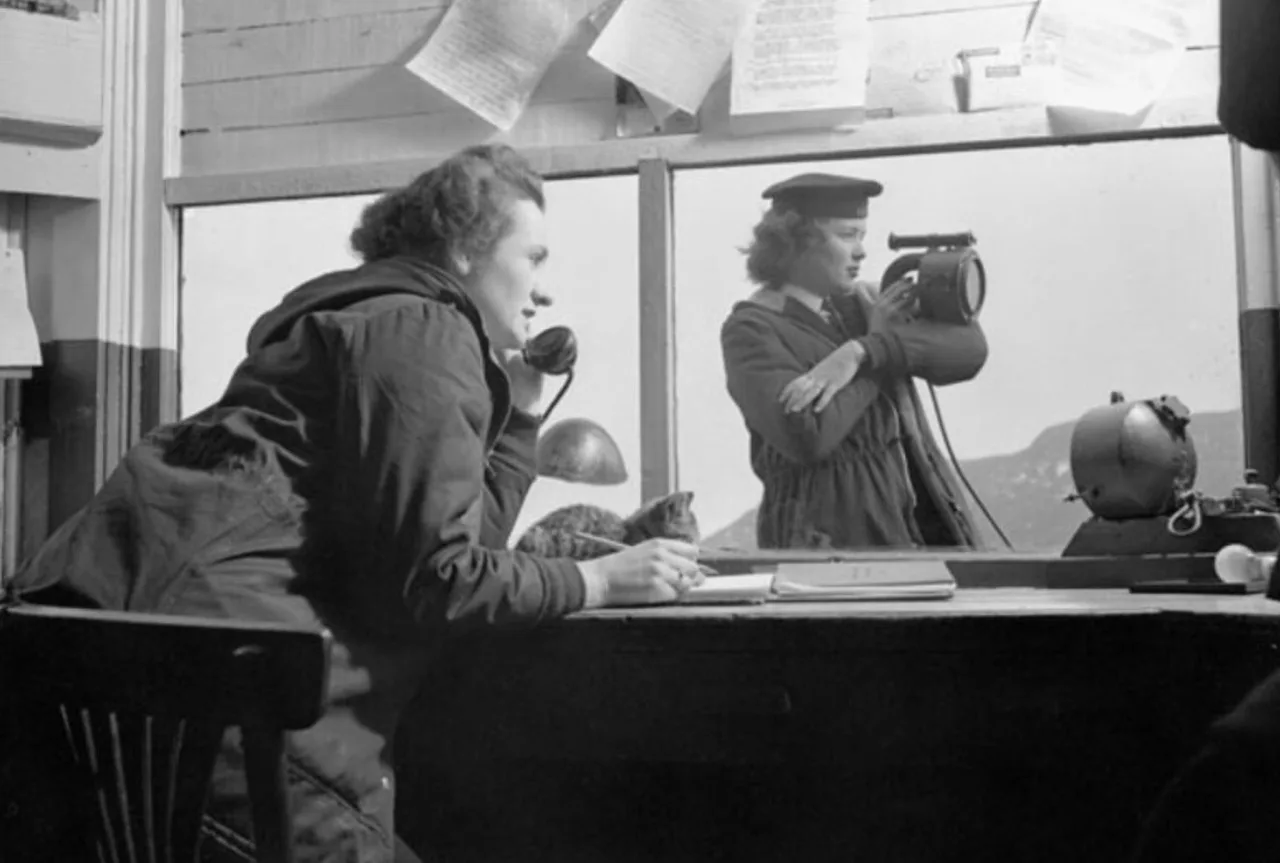
At the start of the war, Canada met the production needs created by the conflict by relying on its existing industries. Many sectors, such as aviation, shipbuilding, chemicals, transportation and textiles, were called upon to meet the new demands of the war. Production was expanded and volumes rose considerably.
Large industrial centres grew up around this production. Montreal, with its many industries, employed the largest number of workers in Canada. In 1944, the city reached a peak of 292,660 people employed in the war industry. Production was concentrated in areas such as the manufacture of munitions and explosives, textiles, and aircraft and shipbuilding. At that time, the lion's share of these workers were women, because the men were away fighting.
Indeed, during the war, many women held various jobs previously reserved for men. Canada even had its own "Rosie", the nickname given to women who worked in factories to support the war effort. Many of them worked alongside men in factories, at airfields and on farms. They made parts for ships and aircraft and produced munitions. They drove buses, taxis and streetcars. Thousands of women in Montreal proved that they had the skills, the strength and the ability to do the same jobs as men.
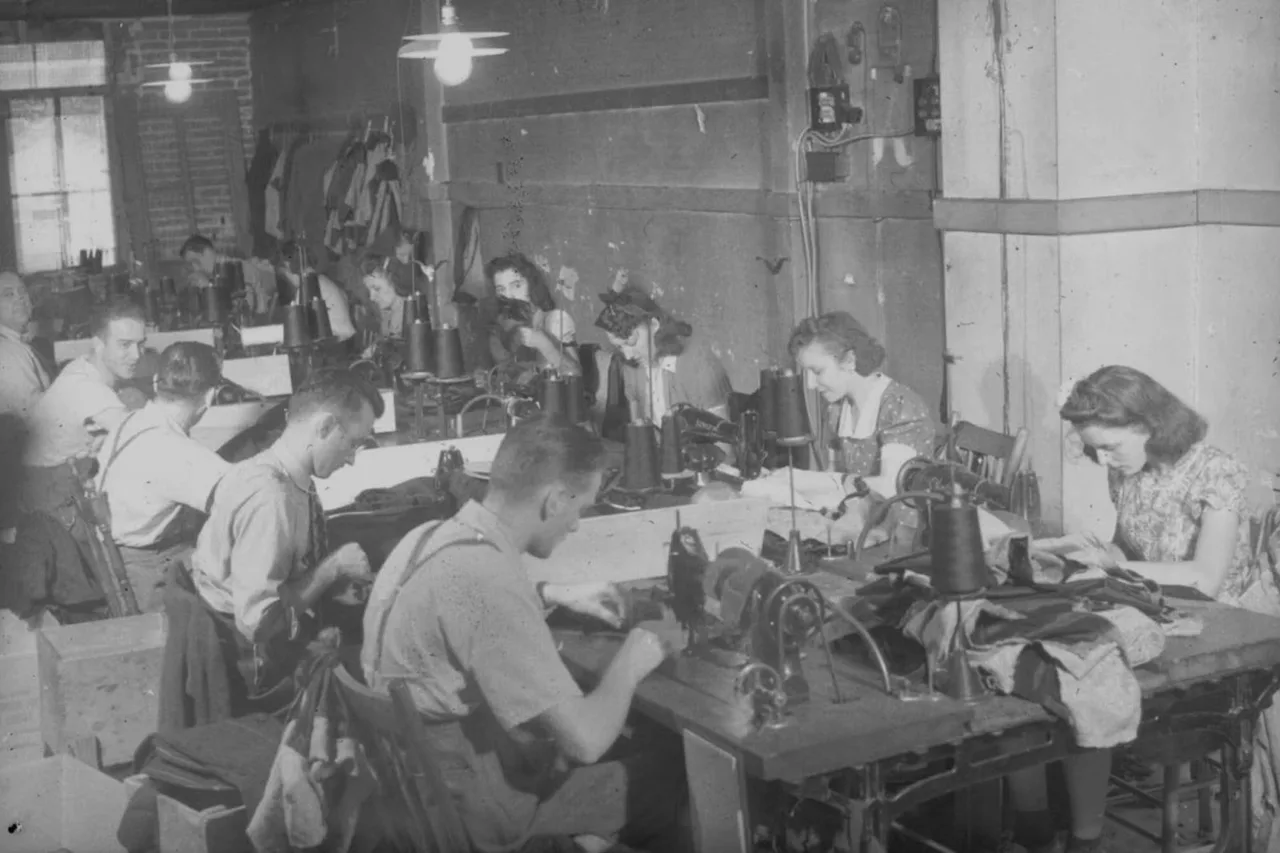
Out of a total population of 11 million, only about 600,000 Canadian women had permanent jobs at the start of the war. During the conflict, that figure doubled to 1.2 million. In 1943-1944, employment peaked: 439,000 women worked in the service sector, 373,000 in industry and 4,000 in construction. Thanks to their smaller size and their dexterity, Montreal women excelled at precision work in electronics, optics and instrument assembly.
With their sons gone overseas, many farmers' wives had to take on extra work. There is the known case of an Alberta woman whose nine sons were serving in the army or working in factories in other cities. This woman drove the tractor, ploughed the fields, raked the hay and hauled the grain to the mill, all while tending the garden, the hens, the pigs and the turkeys.
On top of that, she found time to put up hundreds of jars of canned fruit and vegetables. In Quebec, women even worked as lumberjacks. During the war, Elsie Gregory MacGill, the first woman in the world to earn a degree in aeronautical engineering, worked at Fairchild Aircraft Limited. In 1940, the aircraft design and production methods of the local team allowed this company to produce more than 100 Hurricane aircraft a month.
Women at war
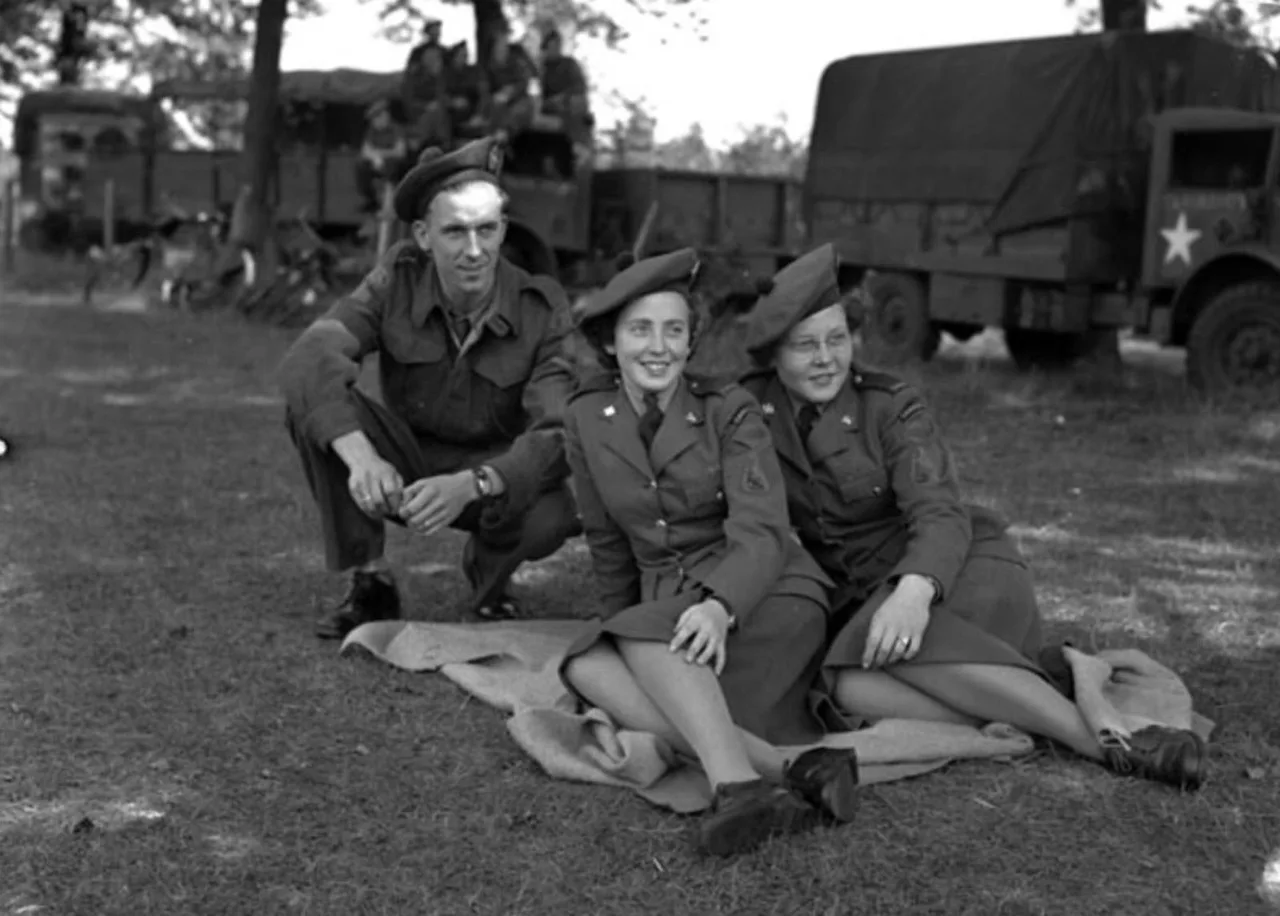
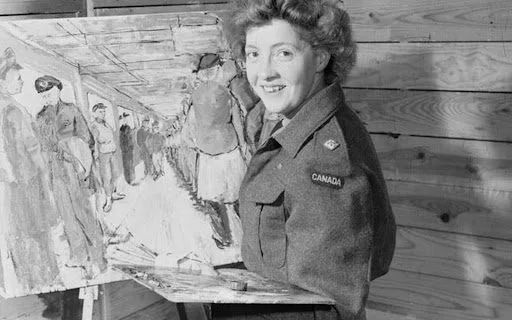
Many Canadian women wanted to take an active part in the war. They lobbied the government to create women's military units. Finally, in 1941-1942, the armed forces changed forever by creating their own women's services. For the first time in history, women could now wear the uniform in Canada. More than 50,000 women served in the armed forces during the Second World War, including Montrealers:
- The Canadian Women's Army Corps had 21,600 members.
- The Royal Canadian Air Force Women's Division had 17,400 members.
- The Women's Royal Canadian Naval Service was made up of 7,100 members.
Women in uniform took on a variety of roles, such as mechanics, parachute riggers, radio operators, clerks and photographers. In all, 4,480 nurses took part in the war effort: 3,656 in the Royal Canadian Army Medical Corps, 481 in the Royal Canadian Air Force Medical Branch and 343 in the Royal Canadian Navy Medical Service. Many of these women were within range of enemy fire, and some lost their lives.
The Verdun plant
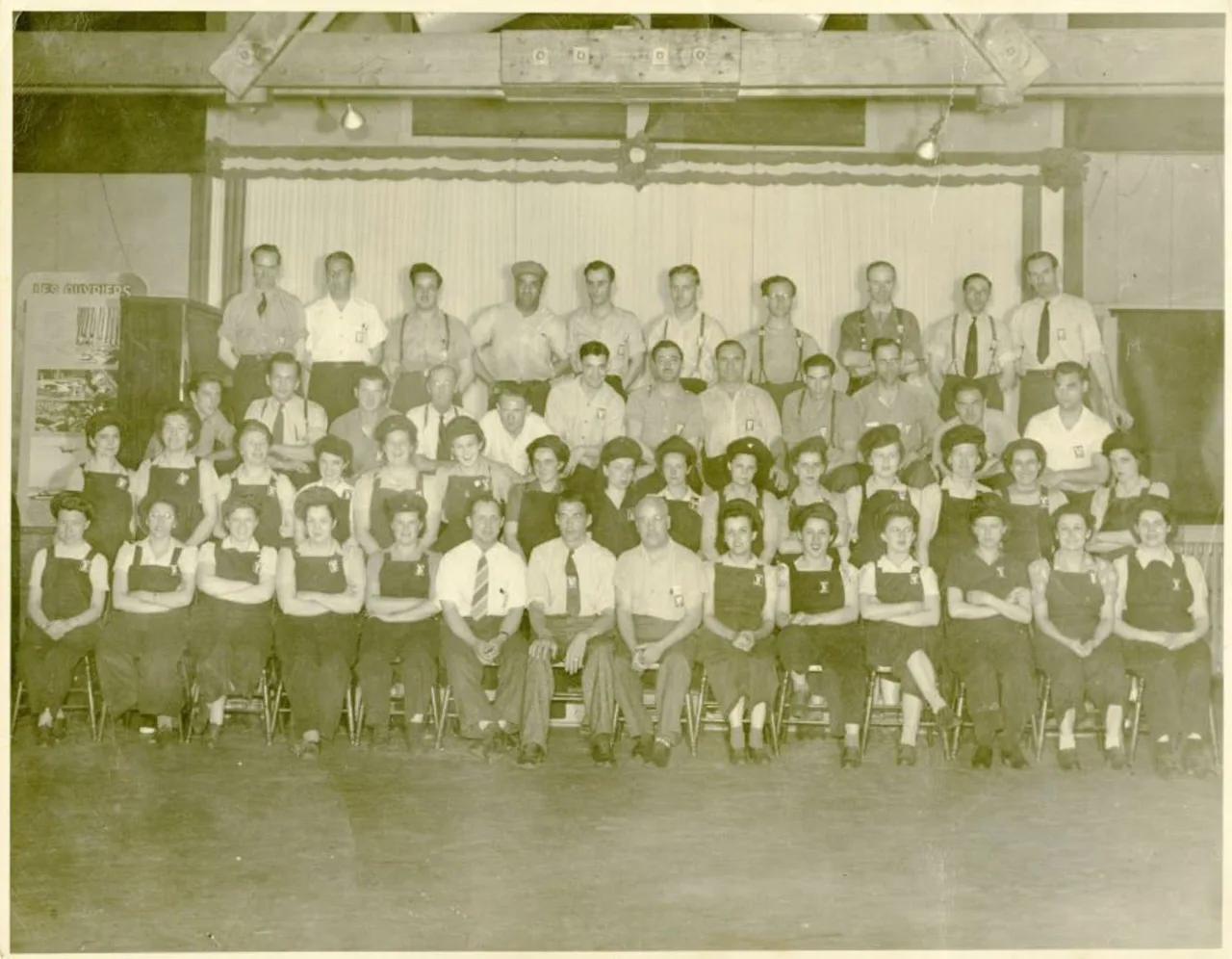
The Verdun plant in Montreal is a striking example of how women, filling men's positions, not only did their jobs but also excelled at them. During the war, an effective recruitment campaign was run to draw women into the factories. In June 1941, women made up 34% of the employees at the Verdun plant. Barely two years later, in 1943, they made up more than half of the workforce, at 51%. Moreover, some women managed to obtain skilled jobs and even management positions. One of them was Lois Campbell, who inspected the quality of munitions at the Verdun plant from 1941.
It should be stressed that working conditions for the women employed at this Montreal plant were very hard, and often dangerous. They were exposed to the usual hazards of factory work: poor ventilation, chemicals, heavy machinery and equipment, heavy loads, static postures, noise, the risk of explosion and so on. However, employers set up safety and production committees to improve their workers' daily lives. War plants had to be well lit and clean. In the end, it turned out that these plants offered better working conditions than most textile mills.
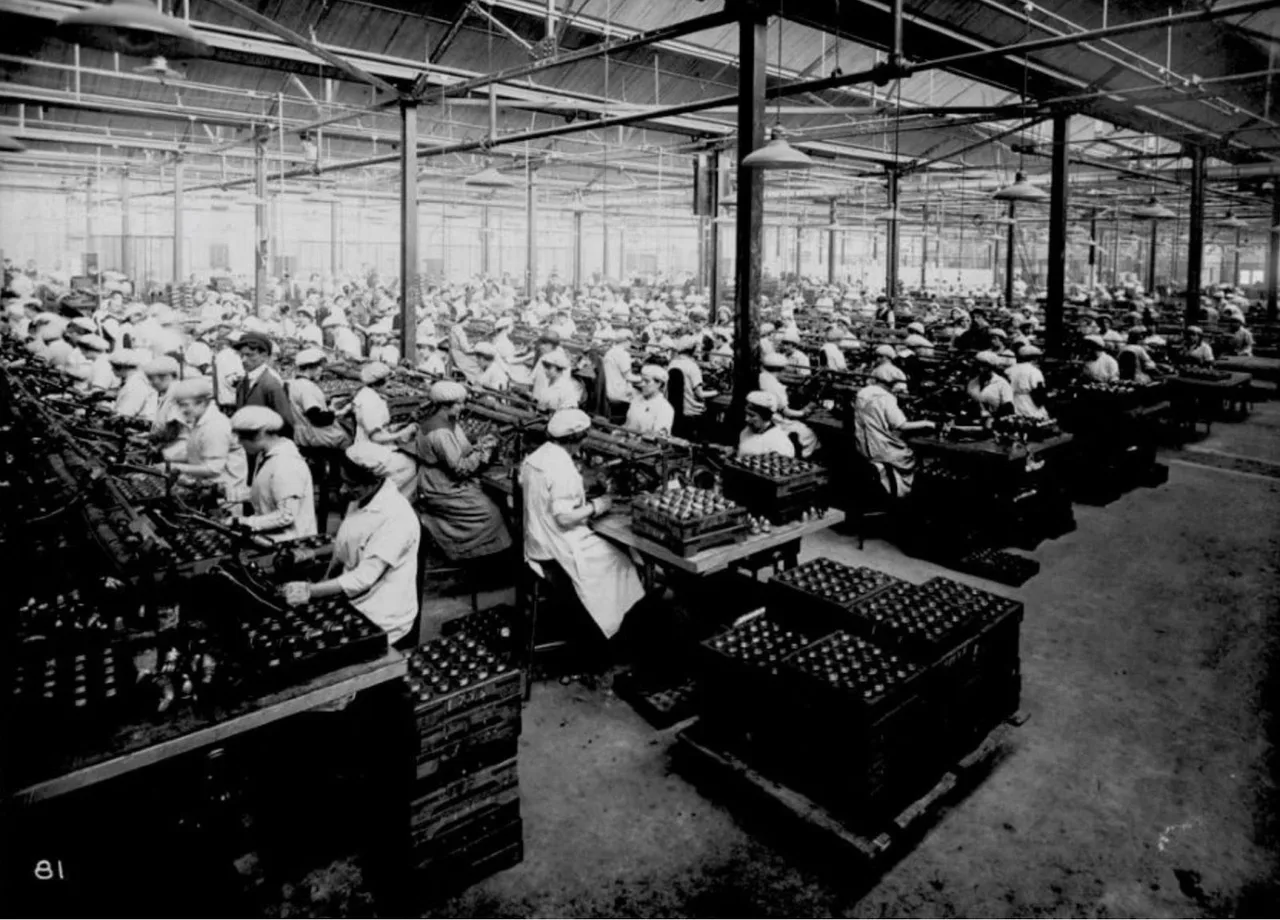
Despite exhausting schedules, the women formed friendships. Mildred Allen, who worked as an assembly line inspector in the inspection department of Defence Industries Limited in Montreal, described her daily life at the plant as time spent with good acquaintances. They ate together in the canteen, where they swapped news from the front, had fun, joked and laughed, despite the long working days. No one complained about her life.
The role of women in the victory
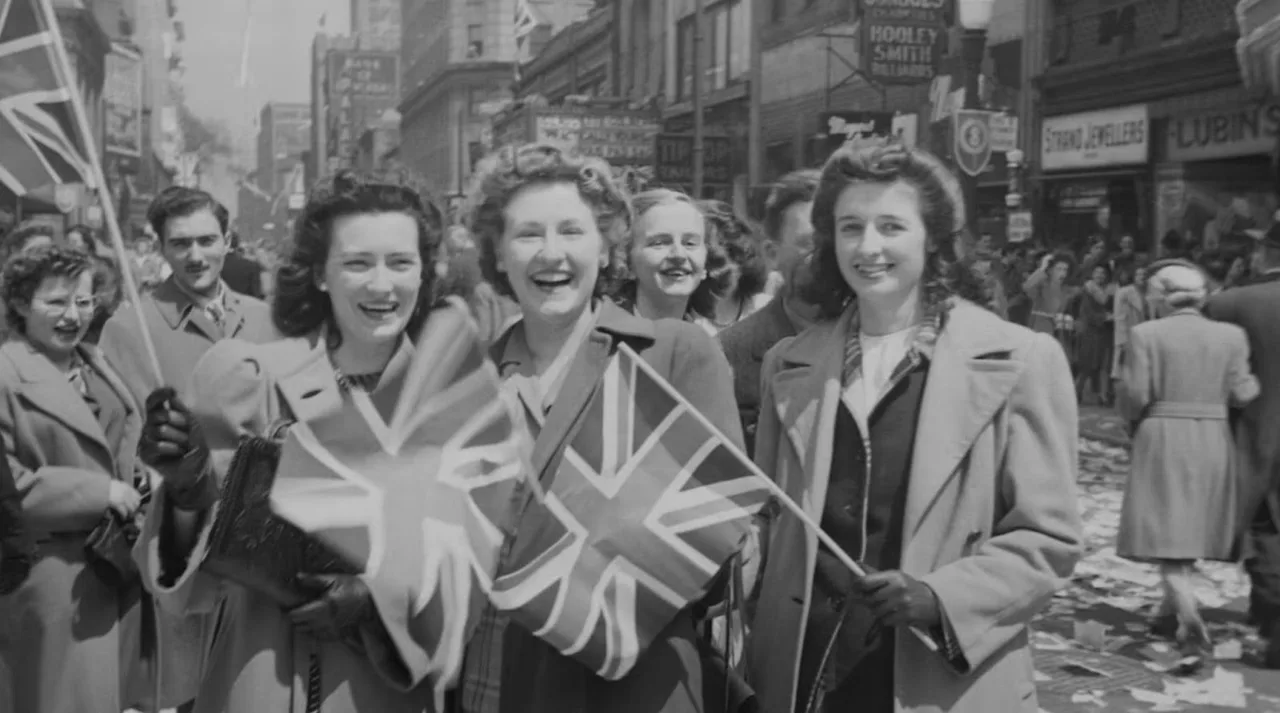
Awareness of the role women played during the Second World War came in 1945, when Nazi Germany was defeated, Hitler was dead and the Germans had surrendered. Victory celebrations were held throughout Quebec, as in all the Allied countries. Huge crowds gathered in the streets of Montreal. Hundreds of women took part in these events. This was no coincidence, because this great victory was theirs too. During the war years, thousands of Montreal women took an active part in the military effort. Some even served in Canada's armed forces, finding themselves on the front lines.
There were also seamstresses and nurses, as well as mechanics, typists, welders and even electricians. At that time, it was easier to name a trade that Montreal women had not learned than to list all the ones they mastered while working in the city's businesses, including specialties traditionally held by men.
However, some things stayed the same. Throughout the war, women working in Montreal businesses were paid much less than men for equivalent work.
Next articleThe French and Iroquois Wars: The Lachine Attack and the Return of Peace