Born in Montreal, Campbell Clauston studied at the Royal Naval College, Dartmouth, and served aboard HMS Montrose in the Mediterranean from 1923 to 1925. After training at the gunnery school known as Whaley in Portsmouth, he became a gunnery officer, first on HMS Capetown and then on HMS Delhi. He then returned to HMS Excellent as commander of the gunnery unit and served there for almost six years, from 1931 to 1937, until he took command of HMS Isis, based in Malta, in May 1937. But this Montreal officer became famous for the feat he accomplished at Dunkirk. To learn more, visit montrealyes.com.
Childhood and education
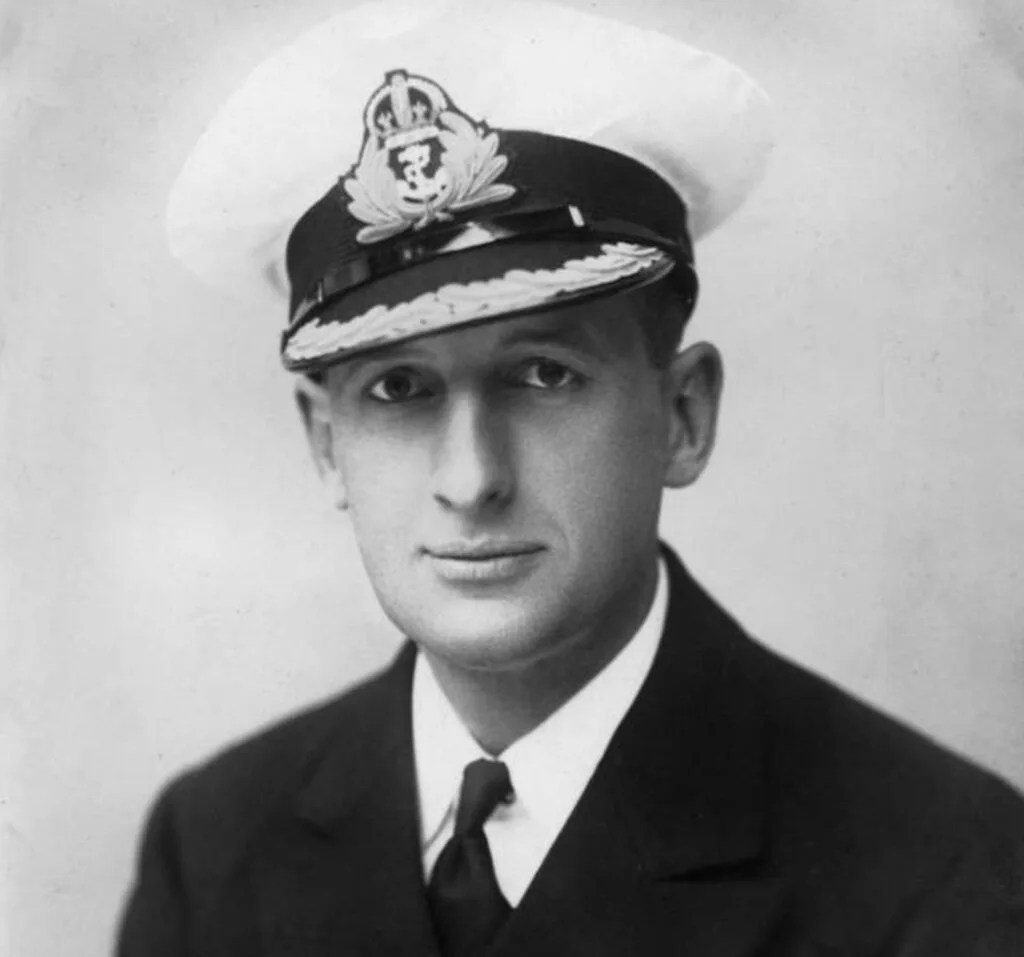
James Campbell Clauston was born in Montreal on August 31, 1900. He was the eldest son of William Stewart Clauston and Evelyn Campbell. His family was active in trade and finance and also enjoyed amateur sport. In the 18th century, his great-grandfather had left the Orkney Islands in Scotland to settle in Canada.
Another interesting fact: James's relatives took part in the first organized hockey game, played at Montreal's Victoria Skating Rink in March 1875. James Clauston's sister, Edith, was a head nurse in the Canadian Army Medical Corps during the First World War, which earned her the Military Medal and the Royal Red Cross.
As for James Clauston, he grew up in Pointe-Claire, where he attended Selwyn House School shortly after it was founded in 1908. After graduating from the Collège canadien, he studied engineering at McGill University. He then took a ship and left Canada to join the Royal Canadian Navy.
He was not the only member of his family to go to sea. One of his brothers, William Stratford Clawston, joined the Royal Canadian Navy in 1926 and commanded several destroyers during the Second World War. His youngest brother, John Douglas Clawston, also chose to join the Royal Canadian Naval Reserve in 1940. John Douglas was killed in action two years later.
As for James Campbell Clawston, he was promoted to sub-lieutenant in August 1923 after completing his studies at the Royal Naval College, Dartmouth.
Service on the eve of the war
In 1935, James married Gwyneth Lillian Vanderpump. His wife always wanted to be by her husband's side, so she travelled around the Mediterranean aboard merchant ships, following HMS Isis, the ship Clauston commanded. She visited Alexandria, Istanbul and Galatz. In September 1938, she gave birth to their first child in London. They named him Dane.
Despite having just given birth, Gwyneth returned to her husband in Malta when Dane was barely six weeks old. But the Abyssinia Crisis, which led to the invasion and annexation of Ethiopia by Fascist Italy, forced the young mother to go back to Britain.
Later, in 1940, the ship commanded by James Clauston was in dock for repairs after striking a rock off the Norwegian coast, and Commander Clauston asked his superiors to give him an assignment for the duration of the repairs to keep himself busy. He thus became one of the ten officers whom Captain William Tennant took with him to Dunkirk on May 27 to direct the evacuation of the British Expeditionary Force.
A few words about this operation, also known as "the miracle of Dunkirk". It was a mass evacuation of more than 338,000 Allied soldiers, mainly British and French, surrounded by German troops in what became known as the "Dunkirk pocket" in 1940.
At the same time, hundreds of military and civilian vessels were mobilized on an unprecedented scale. Although almost all the heavy equipment was left behind in the breakout from the encirclement, this desperate operation, made possible by the heroic defence of the troops and the mobilization of sailors and civilians, proved decisive for the Allies' continuation of the war.
The Dunkirk evacuation
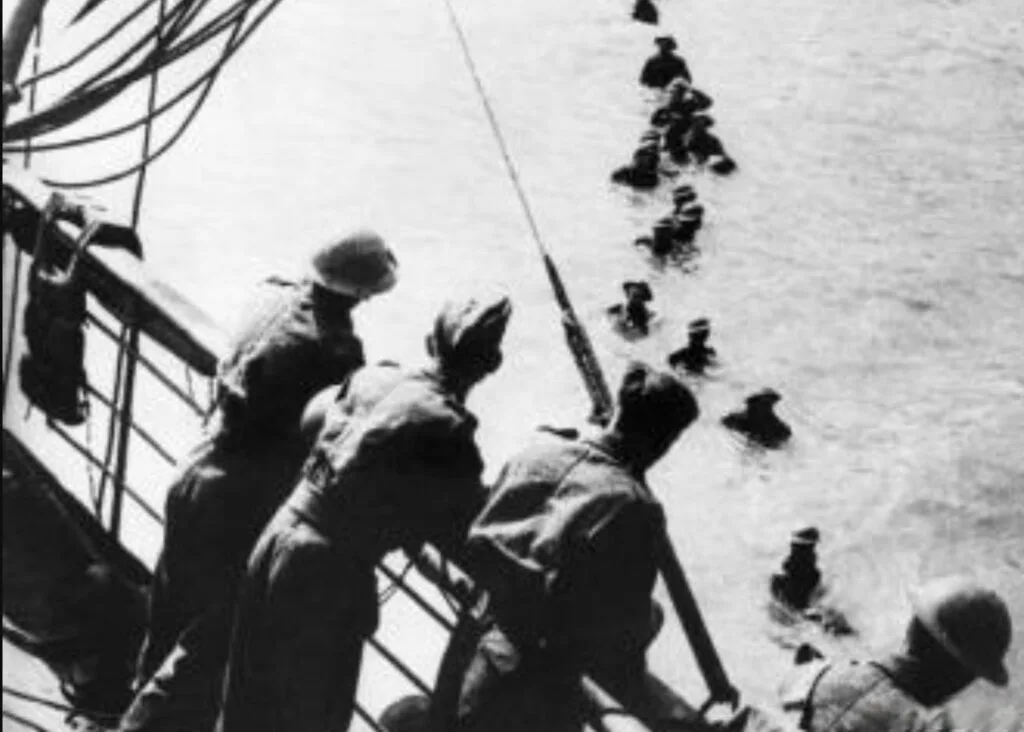
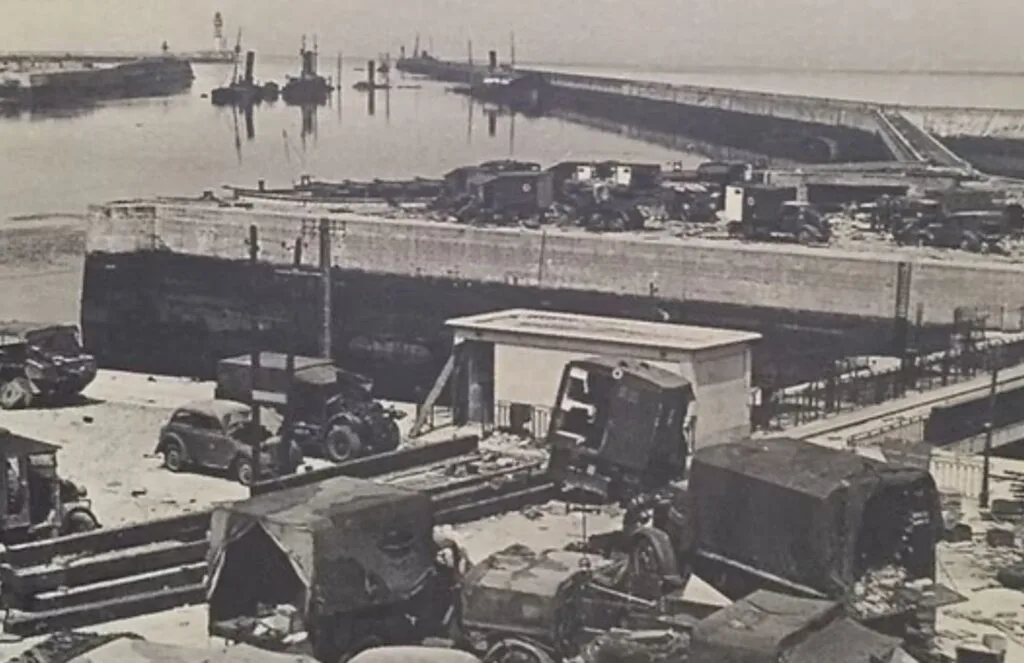
The Dunkirk operation was led by Admiral Sir Bertram Ramsay and was expected to last about forty-eight hours. The plan was to rescue about forty-five thousand soldiers. Tennant's party arrived on the scene and found that the docks were unusable because of German bombing. The troops therefore had to be taken off the beaches, which was very slow.
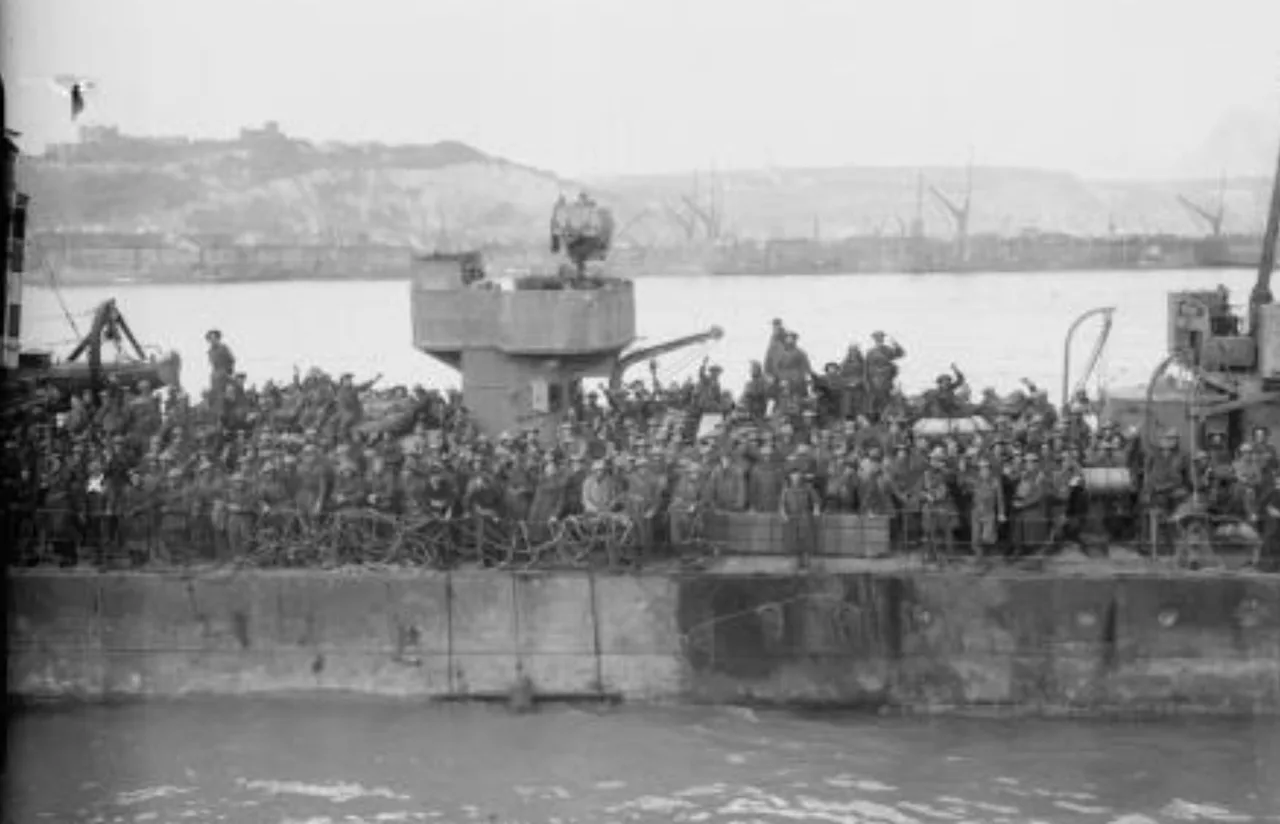
Tennant then decided to use the two long breakwaters that had been built to protect the dredged channel leading to the docks. One of them, later named the Eastern Mole, was made of concrete topped with wooden planking. It was nearly a mile long and wide enough for four people to walk along it side by side.
They had to wait for high tide to moor a ship. The officers divided up the sections of the breakwaters on which each would direct the evacuation. James Clauston was assigned the east pier. That evening, nearly a thousand men boarded the ferry Queen of the Channel from the pier. It then became clear that the pier was the best place for the evacuation.
Early the next morning, everyone was told that most of the ships would be coming to this pier. James Clauston, in charge of the evacuation, set up a strict system of control, posting people at the foot of the pier and at its access points. The retreating troops were organized into groups of fifty, which allowed them to move fairly quickly along the pier to the waiting ship. Orders were given through a megaphone. Clauston called the men up onto the pier when the ships were ready to be loaded.
On that day alone, more than 18,500 servicemen were sent to Britain. Most of them were taken aboard destroyers, precisely from the east pier. For example, the destroyer Montrose alone carried 1,200 soldiers and 28 wounded men on stretchers, while the destroyer Sabre made three round trips. In one hour, up to 2,000 soldiers could be evacuated from the pier.
German aircraft regularly bombed the piers. This sometimes caused panic among the evacuees, who tried to head back to the shore, but the officers, led by James Clauston, stopped them, sometimes at gunpoint, firing pistols into the air. If the pier was damaged and the holes were wide enough that they had to be stepped over, they were patched with planks and the evacuation went on. At times, up to seven ships were being loaded at once, moored two or three abreast.
Although German aircraft kept attacking the piers and the ships, and German troops, as expected, could arrive in the town at any moment, thanks to officers such as James Campbell Clawston, tens of thousands of men were getting home every day, about two-thirds of them from the jetties.
The hero's death
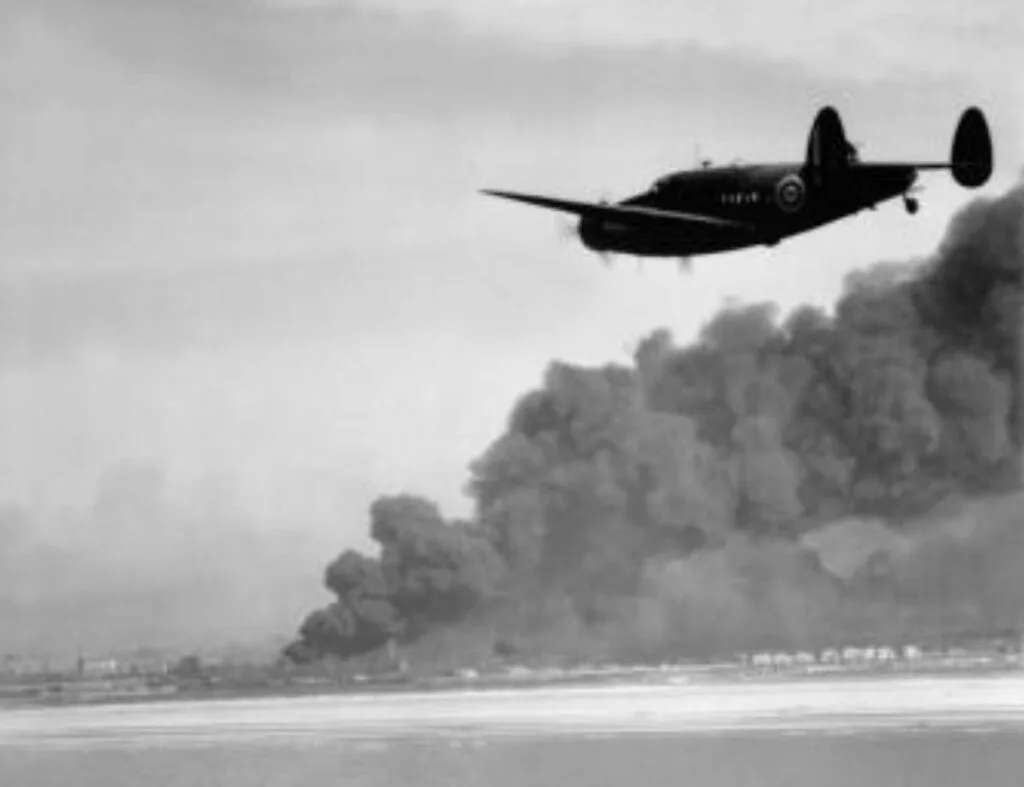
Sadly, Clausen himself did not live to see the end of the operation in which he had played such an important role. For six intense days, he carried out a noble mission at Dunkirk as pier master. Clausen left Dover aboard a motor boat with a naval officer and several sailors. A second motor boat went with them. On the way, they were attacked from the air and the boat was damaged. Commander Clauston ordered the men in the second boat to get away before it was sunk, rather than rescue him. No one ever saw him again.
Clauston helped nearly two hundred thousand people get away under the most terrible conditions.
Sources:
- https://thecanadianencyclopedia.ca/en/article/james-campbell-clouston
- https://www.aboutorkney.com/biography/james-campbell-clouston/
- https://reporter.mcgill.ca/unsung-hero-of-dunkirk-evacuation-a-mcgill-student/