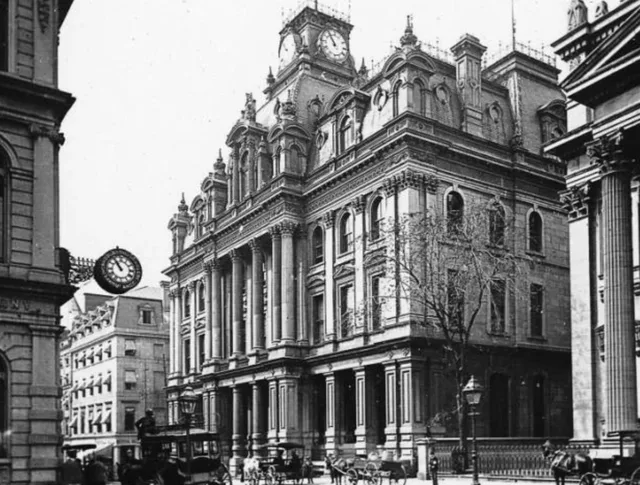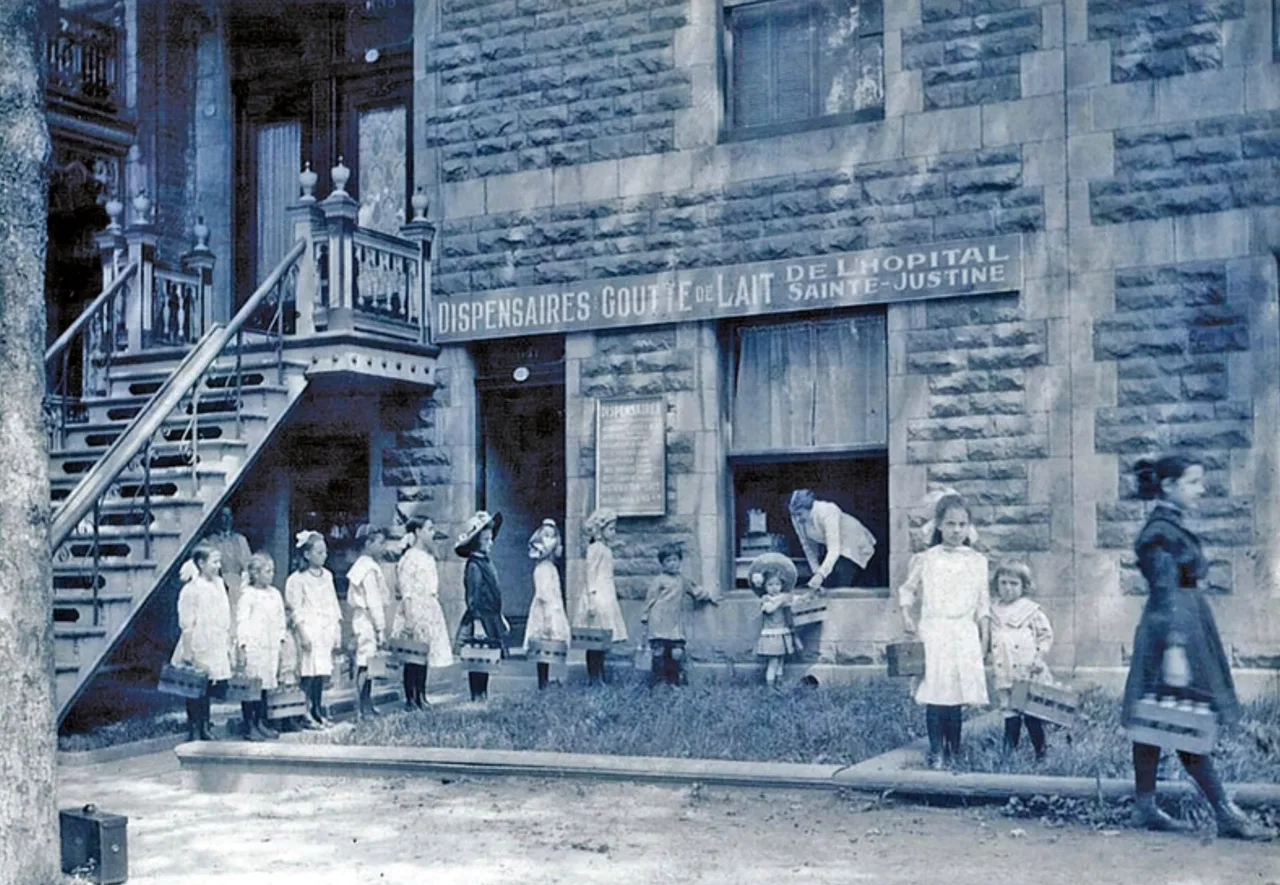
Montreal in the early 20th century was a city of contrasts, where breakneck development existed side by side with deep social vulnerability. Today we are used to thinking of child care as a matter for the state, but during the First World War the situation was entirely different: in reality, it was the Church that bore the main responsibility for orphans and the most destitute. It was religious orders, not government structures, that took on the role of refuge, educator and often the only protection for children who lacked adequate support.
The First World War only made the problem worse. The number of children who had lost their parents or found themselves below the poverty line grew, as did the number of beggars. Yet even under these conditions, the system did not change: the Church remained the main protector, acting within the limits of its own resources and its own ideas of morality and order. How exactly did this work, who was behind this help, and at what cost was it provided? To learn more, visit montrealyes.com.
The Catholic Church as a system, not simply a faith
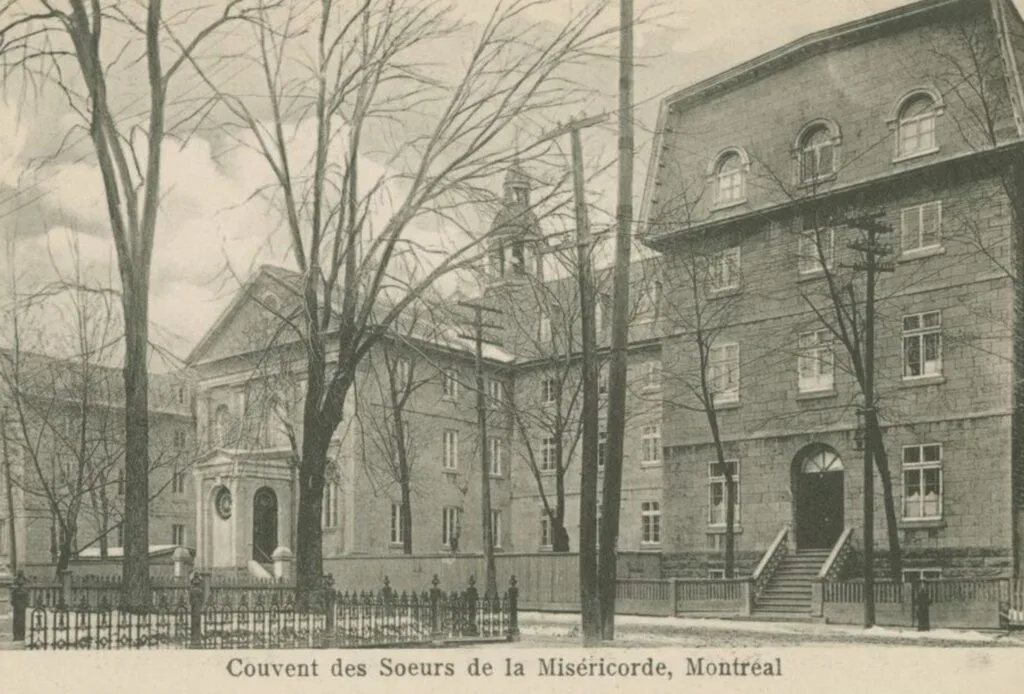
In the early 20th century, Montreal had no public child protection system in the sense we understand it today. Its role was in fact filled, among others, by the Catholic Church: not as a symbol, but as a well-organized institution that performed the functions of a social service.
Women's religious orders played a key role. For example, the Grey Nuns of Montreal ran hospitals, shelters and orphanages, taking in children who had no protection or who lived in extreme poverty. Another influential order, the Sisters of Providence, also cared for orphans, the sick and the children of unmarried mothers.
These were not isolated initiatives, but a whole network of institutions. Among them were the Hospice Sainte-Cunégonde, which combined the functions of a shelter and an orphanage, and the Hôpital de la Miséricorde, which helped women and newborns, often even before the child officially became an "orphan". These institutions were "multipurpose". Children, the elderly and the sick could all live under one roof.
At that time, the notion of an "orphan" was much broader than it is today. A child could have living parents and still end up in a foster home because of poverty, illness or social pressure.
The linguistic and cultural divide is a chapter of its own. Montreal was a city of two worlds: a French-speaking, Catholic world and an English-speaking, mostly Protestant one. French-speaking children were almost automatically sent to Catholic institutions. English-speaking children, for their part, more often ended up in the system of Protestant organizations, which operated in parallel.
The parallel world of Protestant care
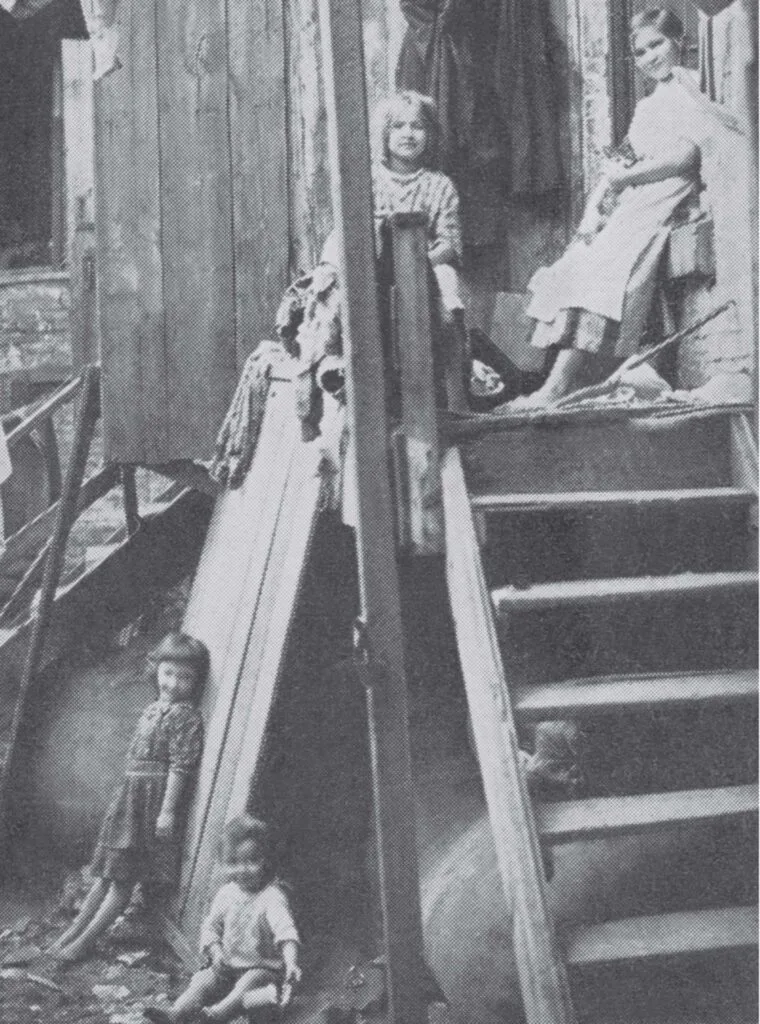
Alongside Montreal's Catholic system, there was another Protestant aid network, smaller but well organized. It served mainly the city's English-speaking population and worked on a similar principle: where the state did not step in, the community took matters into its own hands.
Here the key role was played not so much by religious orders, as among Catholics, but rather by charitable associations and parish committees. One of the central institutions was the Montreal Protestant Orphan Asylum, a refuge for children from Protestant families that existed thanks to donations and community support. Other organizations also worked alongside it, notably the Ladies Benevolent Society of Montreal, which helped poor families and children.
The Protestant model differed somewhat in its approach. While the Catholic system favoured large, closed institutions, here the emphasis was more on patronage, upbringing in a family setting or support for families in crisis. But this did not mean there were no orphanages: they existed and were just as overcrowded, especially during the war years.
As with the Catholics, the war only added to the burden. The number of children from military families grew, poverty deepened and charitable organizations worked at the limit of their capacity. Funding remained unstable, dependent on donations, and therefore on the economic situation and the morale of the population.
When charity is no longer enough
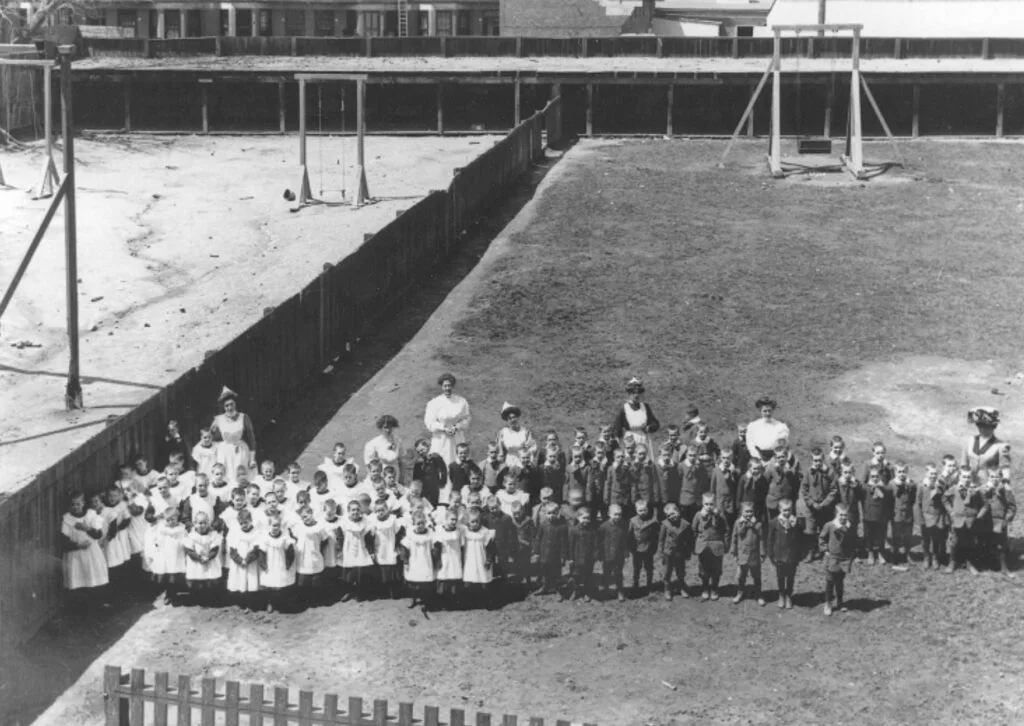
However, churches were not the only ones caring for orphans. In the early 20th century, another approach to child poverty began to take shape in Montreal. It was less religious, but more systematic. This was the Child Welfare Movement, which brought together doctors, educators, activists and members of the middle class. It was an attempt to answer the question: why do children end up in such conditions?
It is important to note that this movement was joined by those who had a voice and the means. They were women from charitable associations, municipal reformers and health professionals who saw the consequences of poverty every day. They did not give up on helping orphans, but spoke more and more often about prevention, that is, about how to keep a child from ending up in a shelter.
Public events became one of the movement's tools. In particular, the major exhibition of 1912, the Montreal Child Welfare Exhibition 1912, showed residents another side of urban development: infant mortality, unsanitary conditions and the consequences of poverty.
The Montreal Child Welfare Exhibition gradually brought forward an idea that seemed almost radical at the time: it is up to the state to set standards. These were fundamental questions: medical supervision, hygiene conditions, protecting children from exploitation.
In this context, civic organizations were not trying to replace the church system: they coexisted with it, sometimes working together, sometimes criticizing it. In reality, it was a clash between two approaches: one traditional, based on charity and moral control, and the other new, which demanded rules, standards and the state taking responsibility.
In the end, it was this movement that laid the groundwork for the changes that would be felt later. But at the time of the First World War, it was still only an attempt to change course, in a city where help for children still rested mainly on the Church and the goodwill of kind-hearted people.
The cost of an unsupervised system of care
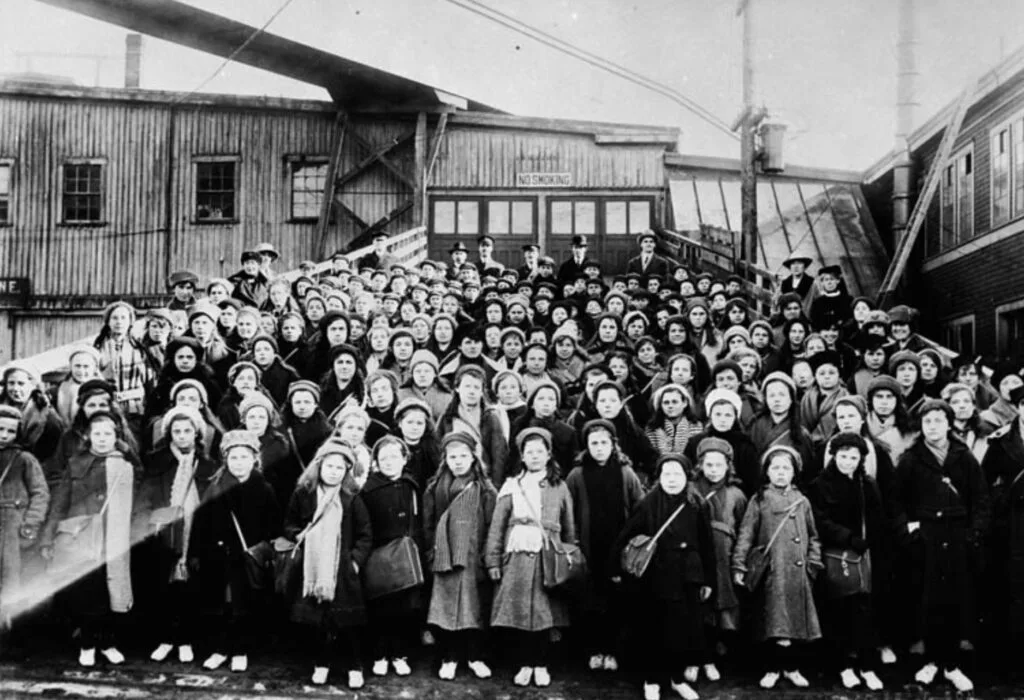
Unfortunately, the history of guardianship was not free of tragic chapters. And although one of the most notorious scandals, that of the Duplessis Orphans, took place in Quebec after the First World War, in the 1940s and 1950s, it was in this period that its foundations were laid: the dominant role of religious institutions, insufficient oversight and financial dependence.
What had begun as a religious mission ended up becoming one of the darkest chapters in the province's history. At the time, thousands of children (not only orphans, but also children from poor families or of unmarried mothers) were placed en masse in religious institutions. Some of these children were officially registered as suffering from mental disorders, even though they did not. Why? Because psychiatric institutions received more public funding than orphanages. As a result:
- children's homes were officially "converted" into hospitals;
- children were placed in psychiatric institutions;
- they were denied a normal education and were often subjected to violence.
Living conditions there were very harsh: strict discipline, forced labour, isolation and, in some cases, physical and psychological abuse. These were not isolated cases, but the consequence of a system in which the Church controlled everything, while the state practically did not intervene, limiting itself to providing financial support.
It was only in the 1980s and 1990s that the scandal began to be widely discussed, when victims started to speak publicly about what they had been through. Later, the Quebec government acknowledged its responsibility and paid compensation. Today it can be said with certainty that this was not a "system error", but a logical consequence of how the system had been designed from the start.
Sources:
- https://www.bac-lac.gc.ca/eng/discover/immigration/immigration-records/home-children-1869–1930/pages/home-children.aspx
- https://dejouerfatalite.uqam.ca/en/childhood/
- https://pier21.ca/research/immigration-history/polish-orphans
- https://thecjn.ca/news/montreal-exhibit-honours-orphaned-holocaust-survivors/
- https://www.histclo.com/essay/war/ww1/dc/dcw1-orph.html