During the First World War, Canada also resorted to internment. There were no large concentration camps in Montreal, but there was a reception and registration centre: a place where detainees were prepared for transfer to other destinations. Find out what this meant for thousands of people and how the system worked at montrealyes.com.
How did Canada enter the First World War?
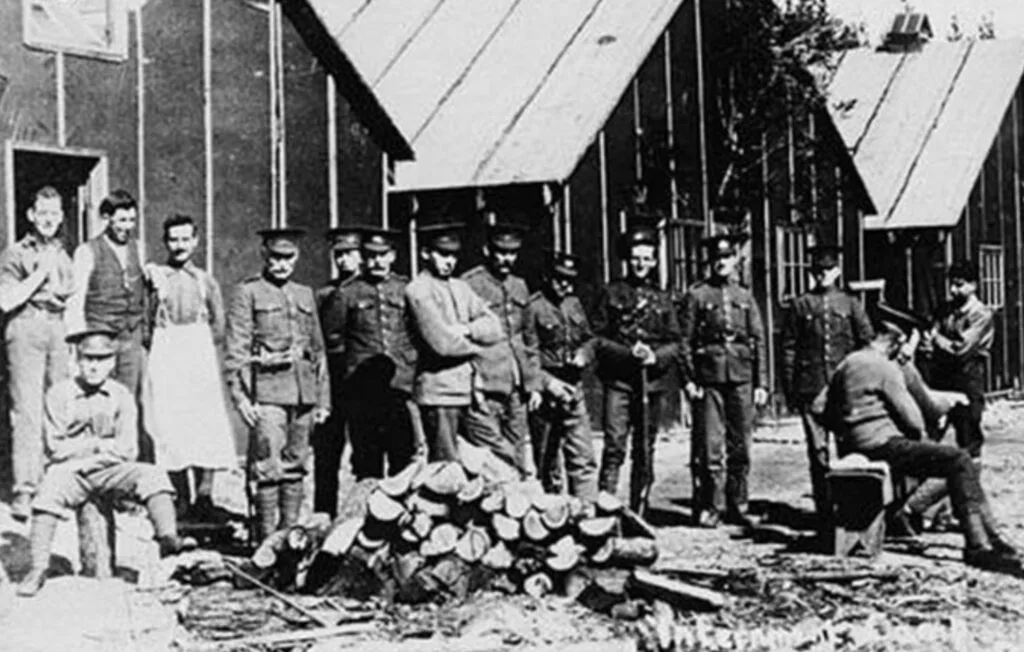
The First World War is often reduced to a single shot: the assassination of Franz Ferdinand in Sarajevo on June 28, 1914. But the truth was far more obvious and far crueller: Europe had been ready to explode for a long time. Alliances, grievances, an arms race: all of it was just waiting for a pretext. And the pretext came.
Events then followed one another almost without pause. Austria-Hungary declared war on Serbia. The Russian Empire sided with Serbia. Germany took the side of Austria-Hungary. France was then drawn into the conflict. When German troops invaded neutral Belgium, Britain could no longer stand aside. On August 4, 1914, George V declared war on Germany, and as a result Canada automatically entered the war.
There is an important point here: at the time, Canada did not make such decisions on its own. It was part of the British Empire, and foreign policy was decided in London. But the consequences (mobilization, fear, distrust) were entirely Canadian. The government was led by Robert Borden, and within the first few weeks it became clear that the country was switching to a war footing not only at the front, but at home as well.
On August 22, 1914, the War Measures Act was passed. Officially, for security reasons. In reality, it was a law that gave the government almost unlimited powers: to control information, movement and the economy and, above all, to detain people without trial. In peacetime, this would have looked like a flagrant violation of rights. In wartime, it became the norm.
It was at this point that an expression appeared that sounds sinister today: "enemy aliens". People began to be judged not by their actions, but by their origins. And this decision quickly stopped being purely theoretical: it turned into real arrests, restrictions and an internment system that spread across the whole country.
How the internment system worked in Montreal
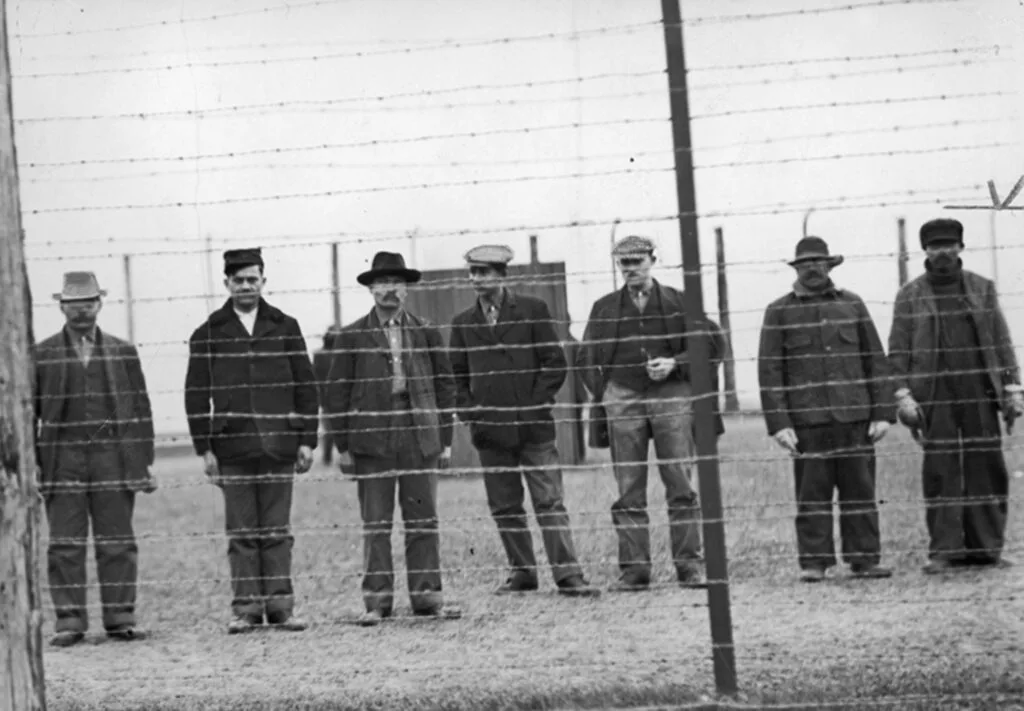
On paper, the War Measures Act was a set of powers. In Montreal, it was quickly put into practice: clear, cold and quite efficient. It was enforced by federal bodies: the police, the immigration services and military patrols. As a major port and transportation hub, the city was well suited to control: it was easy to find, check and arrest people there.
The definition of "enemy aliens" targeted above all nationals of the states fighting the British Empire, first and foremost Austria-Hungary and Germany. And here lies an important nuance: it applied not only to citizens of these countries, but also to those born on their territory. Among them were many Ukrainians, who were formally considered subjects of Austria-Hungary, even though they had no connection to politics or the war. To the system, that made no difference.
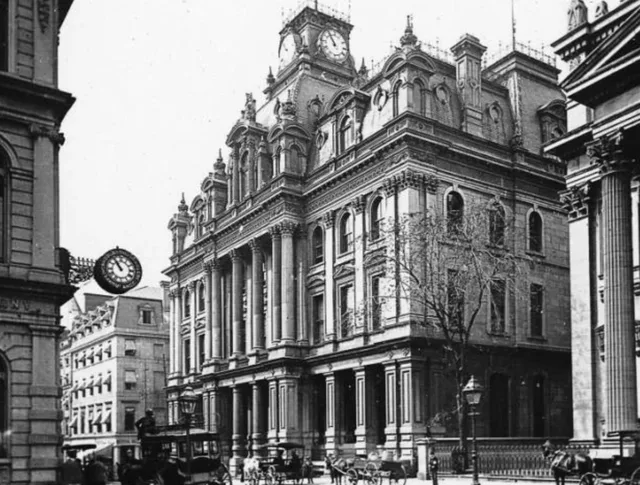
In Montreal, the key site was the so-called Immigration Hall, a building on Saint-Antoine Street that in peacetime received newcomers. When the war began, it was repurposed and turned into a reception and registration centre for internees. This is where arrested people were brought, sometimes after checks, sometimes simply on suspicion or following a denunciation.
What followed was a well-established procedure. People were registered, their documents checked, they were questioned and then entered on lists. Some could be released under supervision, with an obligation to report regularly. Others were held in custody pending a decision. And a large share of them were prepared for transfer to distant camps, where internment then became long-term.
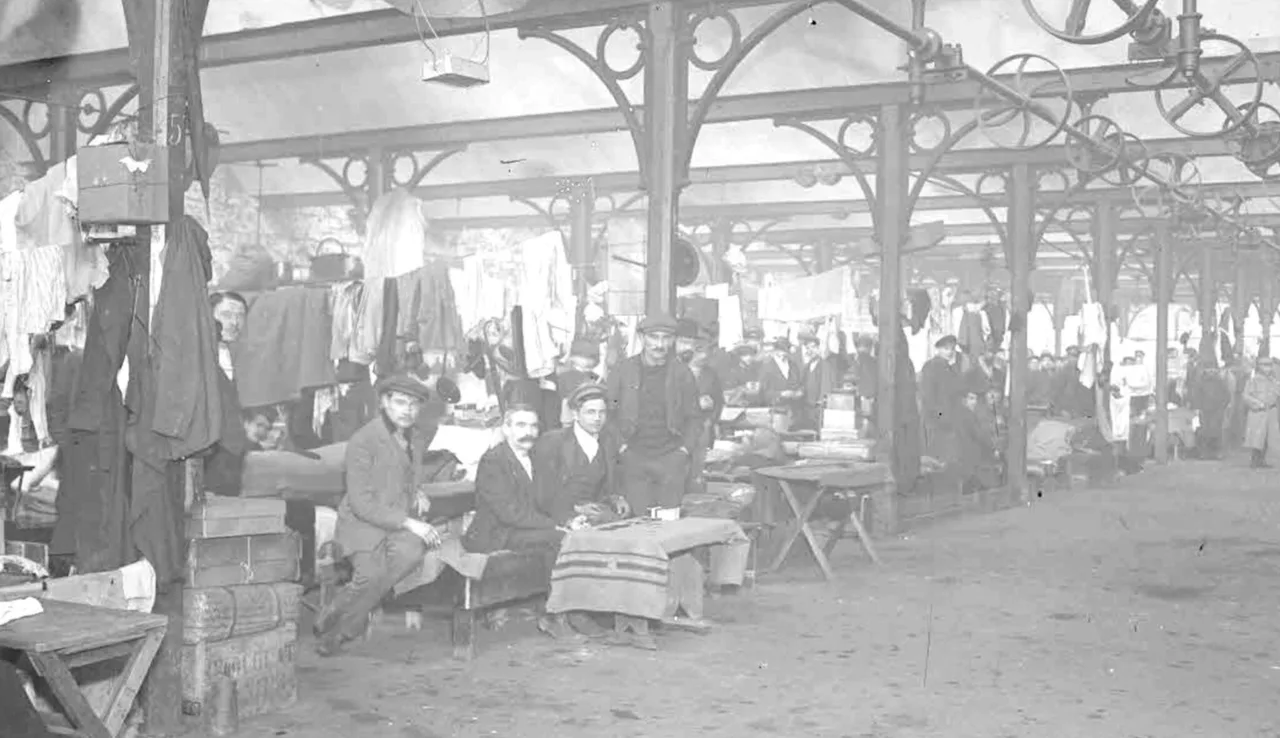
Conditions at the centre were not those of a camp in the classic sense, but they were far from normal. Overcrowded rooms, uncertainty, no clear timelines: people often did not know what would happen to them. The worst part was not so much the conditions of detention as the complete lack of control over one's own fate.
This is how Montreal became not a place of detention, but the starting point of a journey. It was here that the system took its first step: it turned ordinary residents into "internees", a category that was practically impossible to leave quickly.
Ukrainians, victims of the empire
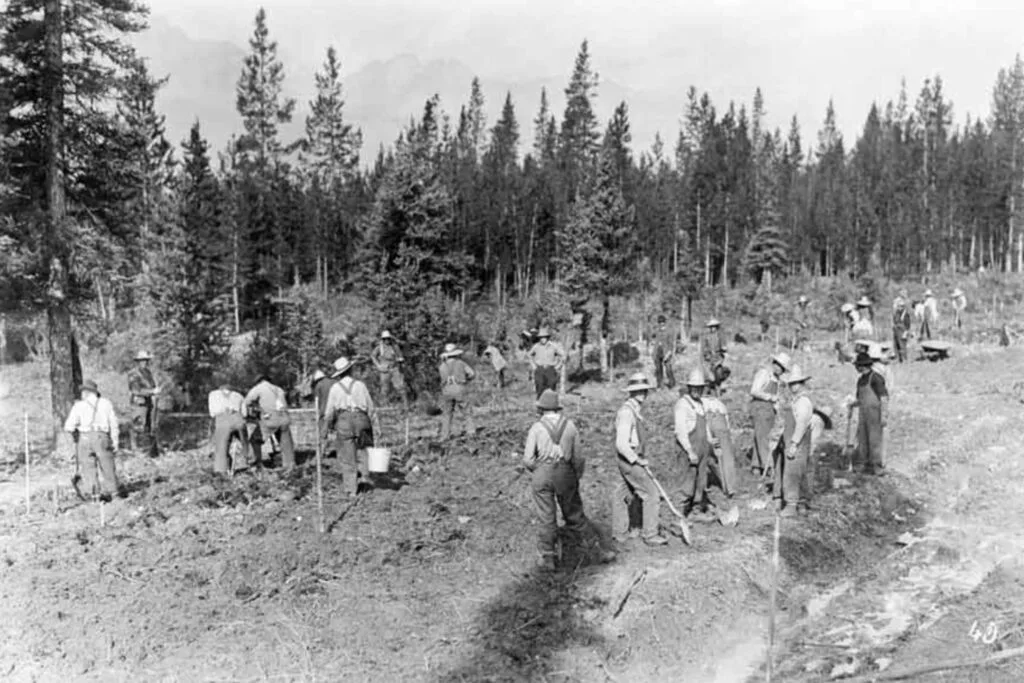
The fate of the Ukrainians is especially telling in this story. In the early 20th century, immigrants from the lands of the Austro-Hungarian Empire came to Canada in large numbers: they were invited as labour, with the promise of land and prospects for the future. But when the war began, these same people suddenly found themselves on the other side of the system, no longer as settlers, but as "enemy aliens".
The numbers speak for themselves. Of the more than 8,500 people interned in Canada, a large share were Ukrainians. About 80,000 others were required to register regularly with the police, which in effect placed them under constant surveillance. And most importantly, most of them were civilians, people with no connection to the war.
In this system, Montreal served as the first filter. Detainees passed through these reception centres: they were registered, checked and then distributed among a network of camps scattered across the country. These included camps in Ontario, at Petawawa and Kapuskasing; in Quebec, at Spirit Lake; and in western Canada. There, internees were assigned to work in national parks and remote regions.
For example, it is known that in Alberta, interned Ukrainians helped build infrastructure in Banff National Park.
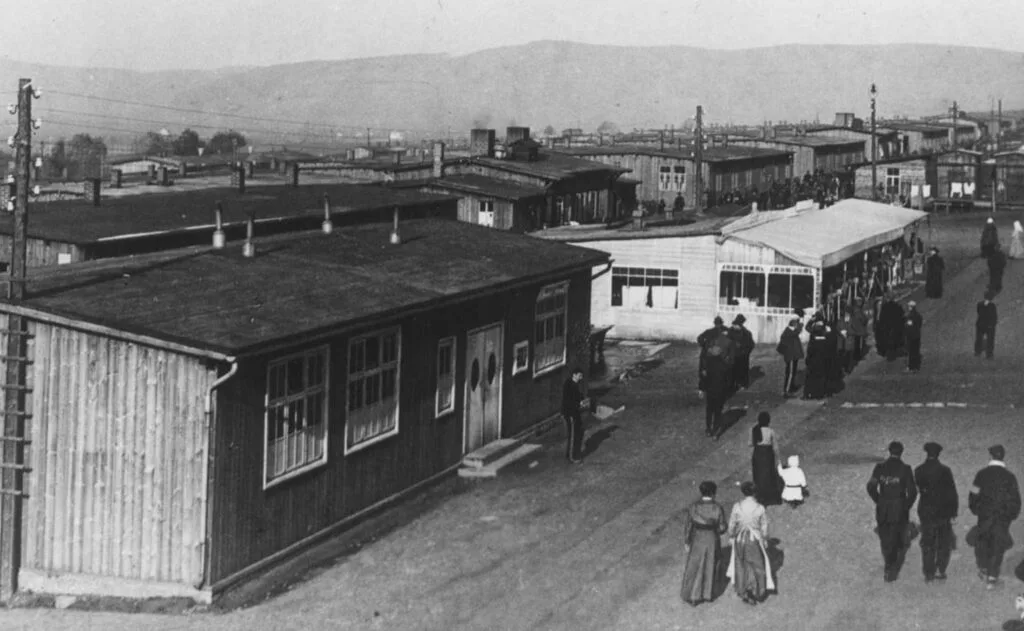
In the internment camps, internees were widely used as labour. Most often this meant hard physical work: logging and building roads and infrastructure in remote regions, notably in Ontario and Alberta. Part of the work was done in the camps themselves, from household chores to building barracks. In reality, the internment system partly turned into a network of forced labour that was meant to pay for itself.
In all, there were twenty-four such camps. Internment there was no longer a temporary measure but part of everyday reality, with forced labour, restrictions and total dependence on the decisions of the state.
The end of the war, but not of internment
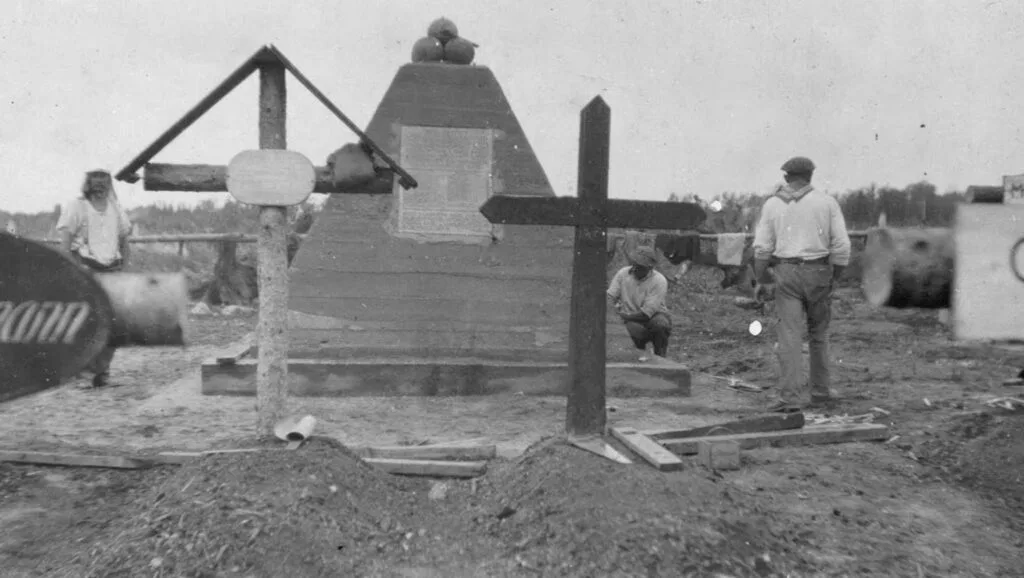
The year 1918 marked the end of the First World War. With the signing of the armistice, the internment system gradually began to be dismantled. The War Measures Act officially remained in force, but its application to internees began to wind down. The camps were closed, and people were released or placed under less strict supervision.
For many, however, this "freedom" was only relative. Some internees were released only after submitting to compulsory registration, while others remained under police supervision for some time. Many lost their property or never fully recovered it, and the very experience of internment became a trauma that went unspoken in public for a long time.
As for Montreal, the administrative reception and registration centre for internees on Saint-Antoine Street stopped serving this function at the end of the war and returned to civilian use. Today, it is an ordinary city building. But from a historical point of view, the site remains an important landmark, a reminder of how war can transform everyday reality.
Sources:
- https://www.biographi.ca/en/topics/topic-match-list.php?id=1442&utm_source
- https://www.internmentcanada.ca/map-of-internment-locations/list-of-internment-camps/beauport-quebec/
- https://www.revue-quartmonde.org/6028
- https://www.museedelaguerre.ca/expositions/etrangers-ennemis-linternement-au-canada-1914-1920
- https://tc2.ca/fr/products/les-raisons-de-linternement-des-ukrainiens-pendant-la-premiere-guerre-mondiale