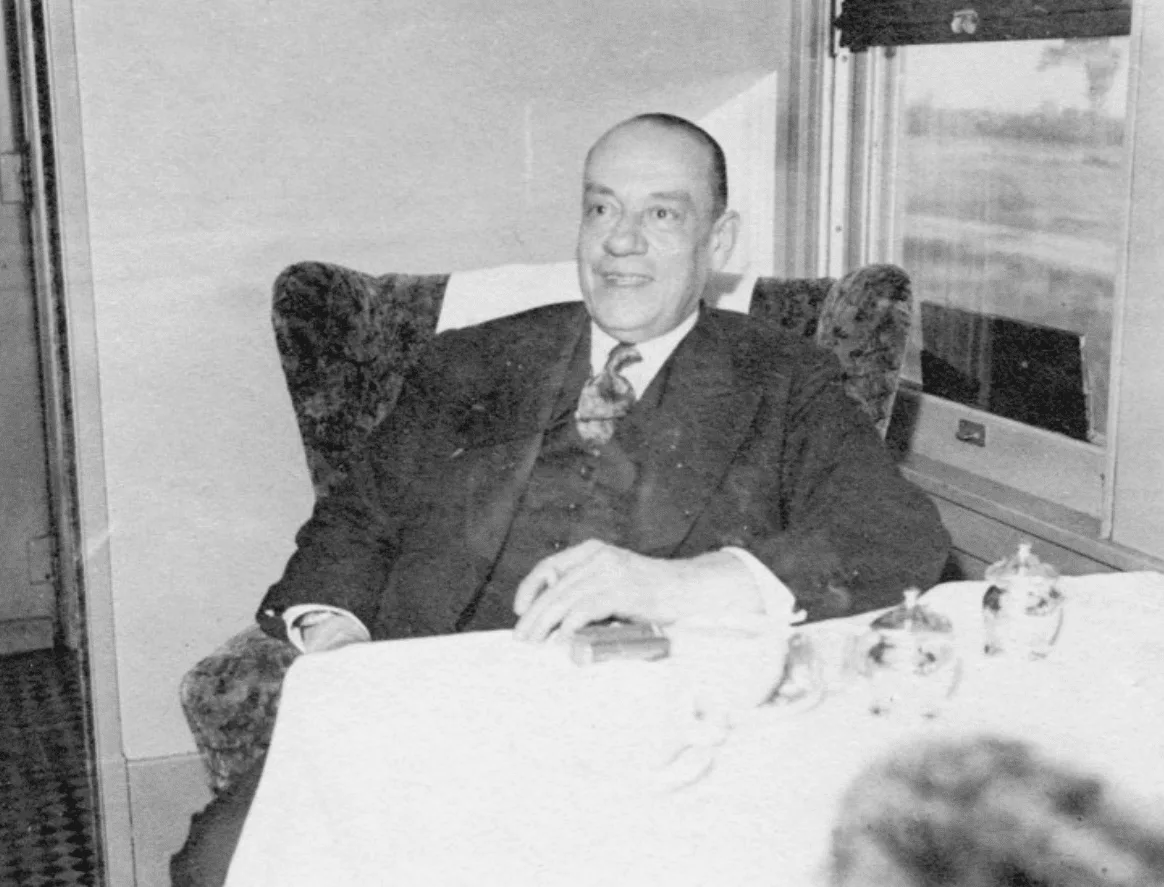
Montreal, a vibrant, multicultural city nestled in the heart of Quebec, has over the centuries produced many political figures, each of whom left a mark. One of them is Camillien Houde: insurance agent, banker, mayor of Montreal, leader of the Conservative Party of Quebec and member of the House of Commons of Canada. Despite his resounding political success, his life was marked by tragedy. To learn more, visit montrealyes.
Youth and education

Camillien Houde was born in 1889 and grew up in Montreal. All his life, he lived in the working-class neighbourhood of Sainte-Anne. The tragedy of his life and of his family comes down to one heartbreaking fact: he was the only survivor among ten children. All of his brothers and sisters died before even reaching the age of two.
His father was an ordinary labourer, a foreman at a flour mill in Montreal. But when Houde was only 9 years old, his father died of tuberculosis. His mother then had to find a job to support them. She began working as a seamstress in a textile factory.
Houde had practically no childhood. As soon as he finished primary school, he started working as a delivery boy for a local butcher shop. Later, he nonetheless decided to continue his education at Collège LaSalle. During his studies, he showed great intellectual ability and also revealed a creative personality.
Once he had his diploma in hand, he began working at a bank in Montreal. But the series of tragic events was not over. At 16, he married his beloved, Berthe-Andrée, with whom he had two daughters. Sadly, at the height of the Spanish flu pandemic in the early 20th century, his wife fell ill and died, leaving him alone with his two children. A few years later, Houde remarried, this time to Georgette Falardeau, the woman who would introduce him to politics.
Political career

For several years, and especially under the influence of his wife Georgette, Camillien Houde took an interest in the Conservative Party of Quebec. His political career began with his involvement in local community organizations. Aware of the power of collective action, Houde took an active part in various campaigns aimed at improving the quality of life in the city. This experience allowed him to build ties with Montrealers from all walks of life and to understand their concerns and aspirations.
Shortly afterwards, Houde was elected member for the riding of Montréal-Sainte-Marie. His flamboyant oratorical style and exceptional charisma quickly made him a legend. At 33, he became the youngest member of the Assembly. His election marked an important milestone in Montreal's political history.
Eventually, his political career led him to the Montreal municipal election of 1928. He won and held this prestigious office for a total of 18 years, broken down as follows:
- from 1928 to 1932;
- from 1934 to 1936;
- from 1938 to 1940;
- from 1944 to 1954.
What did Houde do for Montreal?

During his terms as mayor, Camillien Houde championed many policy initiatives to address the pressing problems of his time. Recognizing the need to improve public health, he advocated for better sanitation systems, access to drinking water and the creation of public hospitals and clinics. He also focused on urban planning, seeking to create green spaces and to introduce zoning bylaws that put public health and environmental sustainability first.
Houde's commitment to education showed in his efforts to expand opportunities for Montreal's young people. He led initiatives to increase school funding, improve curricula and promote adult education programs. Houde firmly believed that education was the key to social mobility and a fairer society.
The internment camp

Houde's life seemed to follow a pattern: as soon as things got better, something terrible happened. One of those turning points came in 1940. Houde opposed the policy of Prime Minister Mackenzie King and his 1940 order on the compulsory registration of all Canadians fit for military service. He denounced the measure publicly and vehemently, declaring that he would not comply with it, and called on the citizens of Montreal and elsewhere to do the same.
In the end, his opposition led to his arrest by the police, who were waiting for him one day in 1940 at city hall. He was imprisoned without trial and secretly taken, at night, to an internment camp. There, they tried to break him psychologically. He was given a number, 694, in place of his name. He was forbidden to speak to anyone, and all contact with his family or his lawyers was banned. His main task was cutting wood. This went on until 1944, the year he was released and returned to Montreal. When he stepped off the train, a crowd of several tens of thousands of people, including his friends, welcomed him as a hero. Houde's peaceful and dignified resistance to wartime repression earned him the public's respect and made him a true living legend.
After his return from the camp, he began his last term as mayor of Montreal, from 1944 to 1954. After leaving the mayor's office, he remained active in municipal and federal politics until his death in 1958.
Next articleValérie Plante, a Modern Woman Who Served as Mayor of Montreal