On September 1, 1939, Nazi Germany invaded Poland. France and England immediately declared war on the invader. A little more than a week later, on September 9, Canada entered the conflict in turn. From then on, Montreal's economy turned almost entirely towards military needs. For citizens, this also meant the rationing of everyday products such as butter, milk, meat, sugar, tea and coffee. Everyone received their own ration book. On the other hand, after years of crisis, this situation brought the city to full employment. This context also encouraged much more active participation by women in the labour market.
This return to prosperity created strong demand for entertainment. Montreal's theatre life during the war years was especially rich and varied, and the city's cabarets offered dazzling, lively shows. This thriving cultural life was fuelled by the many service members who came to the city on leave. The flip side was the strong comeback of gambling houses and houses of prostitution.
So much so that the military command, worried about the high rate of venereal disease among soldiers, summoned representatives of the city in January 1944. They were given an ultimatum: either the authorities closed the dens of vice in the "Red Light" district, or the city would be declared off limits to military personnel. Had it been carried out, this threat would have had serious consequences for Montreal's economy and reputation. And so, on February 2, all the brothels mysteriously closed their doors at the same time, without the police even stepping in. To learn more about nightlife and cultural life in Montreal during the Second World War, visit montrealyes.com.
Nightlife in Montreal during the war
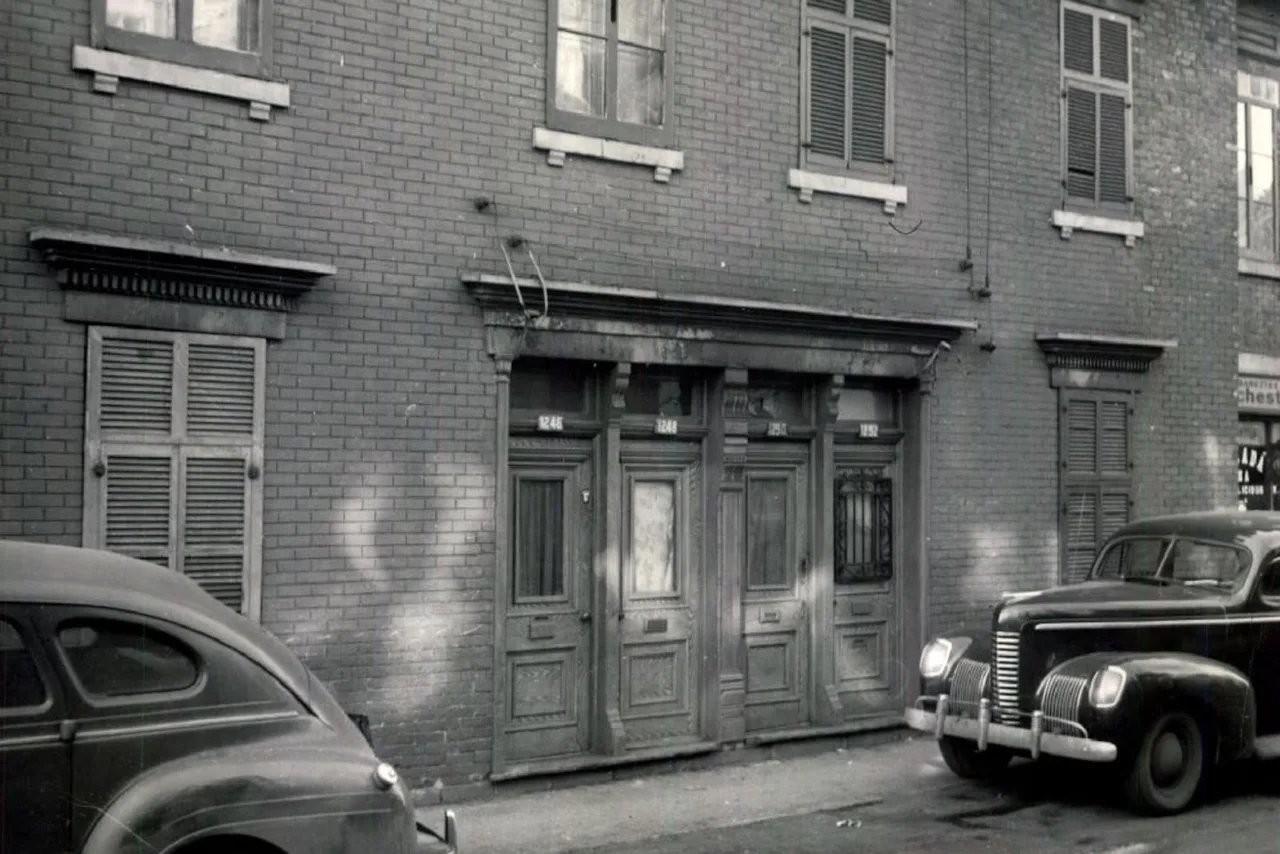
Montreal's hectic nightlife drew world-famous artists, millions of American tourists and Montrealers eager to escape the war and enjoy themselves.
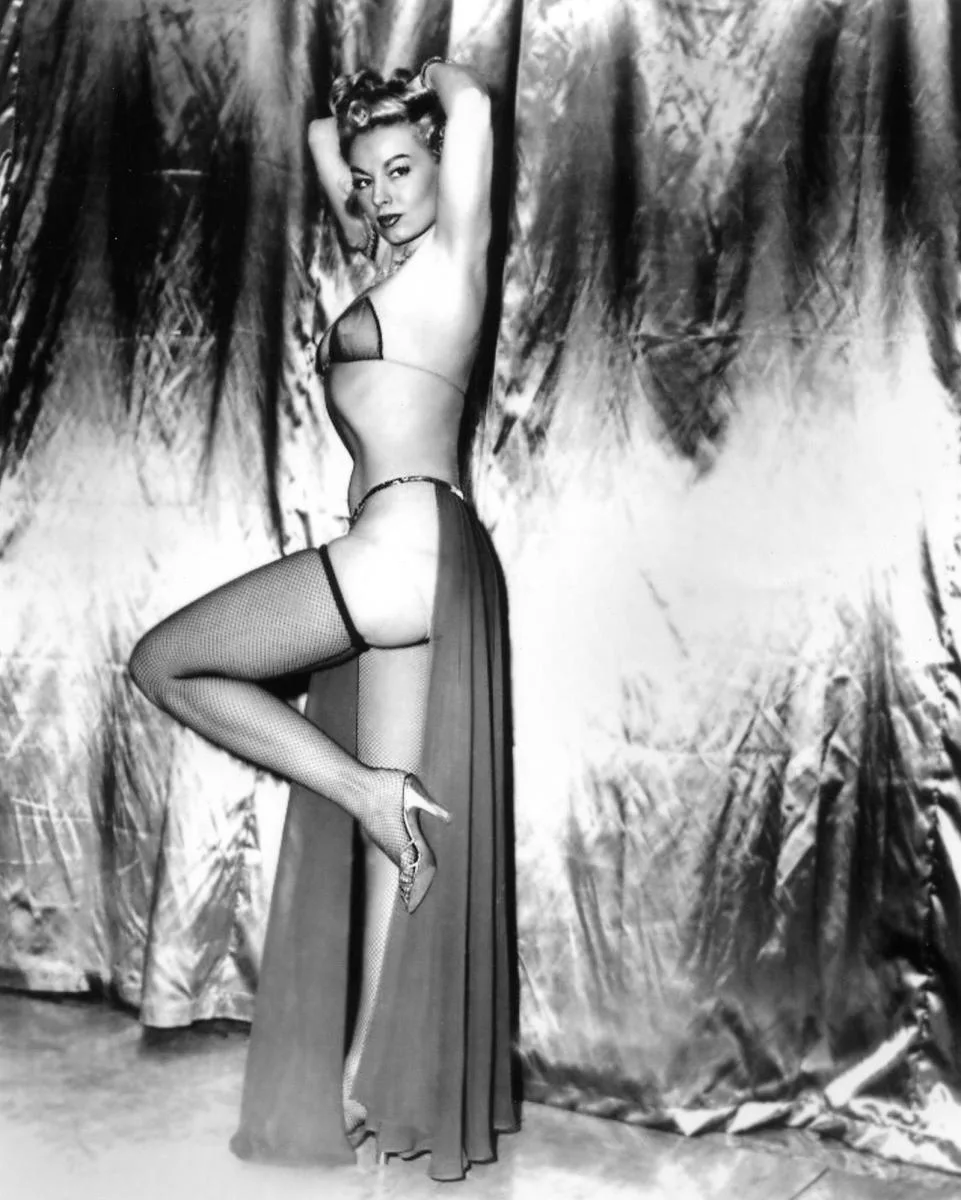
In the 1940s and into the early 1950s, Montreal was at its peak as an entertainment city. Nightlife was so intense that Lili St-Cyr, a famous American stripper based in Montreal, compared every night to New Year's Eve in New York. All of this drew millions of American tourists to the city, charmed by its French character, which at the time earned it the reputation of "the little Paris of America".
The city's residents went out in large numbers to enjoy everything Montreal had to offer at night. From the 1920s to the 1950s, Montreal nights pulsed to the rhythm of the cabarets. The world of variety shows, dominated first by American and then by French performers, gradually became a place of learning and experimentation for a new generation of artists from Quebec and Montreal.
Montreal cabarets offered variety shows, a format developed in the United States and the United Kingdom in the late 19th century. These shows featured a series of varied acts, including singing, dancing, acrobatics, magic, juggling and comic or dramatic sketches.
An orchestra set the mood and let the audience unwind on the dance floor between acts. To hold the evening together, a master of ceremonies introduced the various performances, entertaining the crowd with jokes borrowed from comedians in New York or Hollywood.
Jazz, a new genre
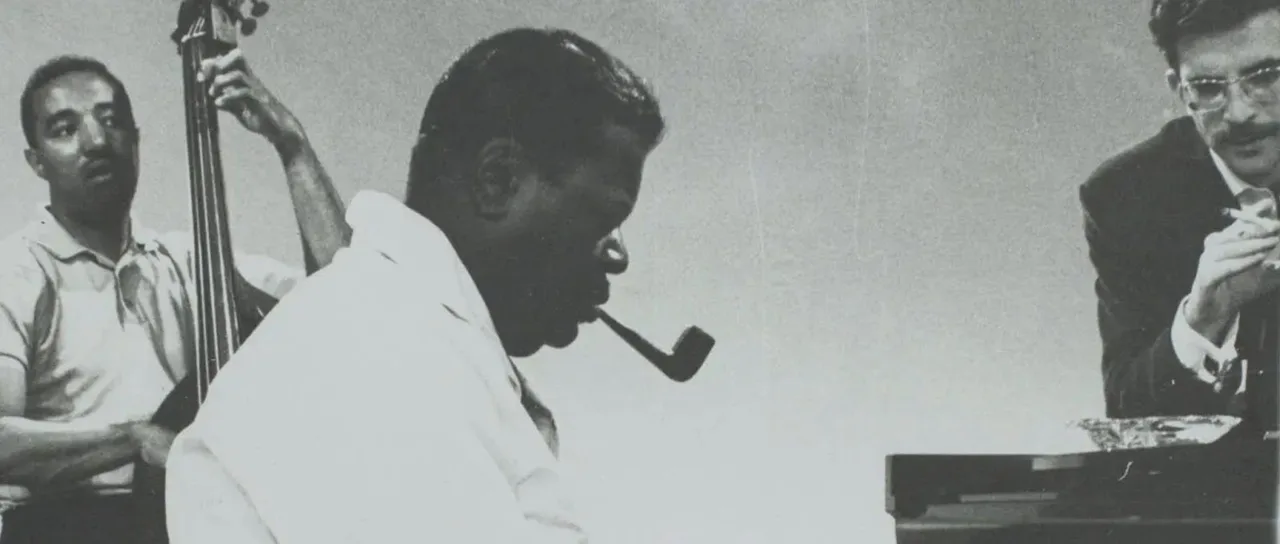
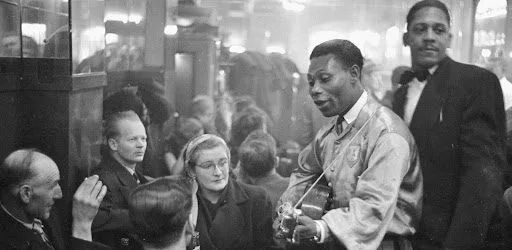
Some Montreal venues specialized in a new genre: jazz. The musicians, originally hired to accompany the cabaret acts, unexpectedly became the highlight of the show thanks to their dazzling, frenzied improvisations. Montreal's Little Burgundy neighbourhood, nicknamed the "Harlem of the North" because of its large Black community, was home to several jazz clubs.
From the 1930s to the 1950s, Rockhead's Paradise, the first club owned by a Black Montreal businessman, drew big names in American jazz such as Louis Armstrong, Ella Fitzgerald and Billie Holiday. For many years, the Café Saint-Michel hosted, among others, Louis Metcalfe's bebop orchestra. Montreal's jazz clubs also allowed local musicians such as Oscar Peterson and Oliver Jones to hone their craft before launching international careers.
French stars in Montreal
The Second World War helped forge closer ties between Quebec and France. After the war, major French stars such as Édith Piaf, Maurice Chevalier, Charles Trenet, Yves Montand and Line Renaud agreed to perform in Montreal. Some French performers even decided to settle permanently in Quebec, notably Guilda, Jean Rafa and Paul Buissonneau. Others had their first successes in Montreal, such as a certain Charles Aznavour.
French Canadians, whose standard of living had improved after the war, increasingly enjoyed the attractions of Montreal nights. They appreciated the French-language entertainment already offered to them in the theatre and on the radio, where local stars were starting to break through. Among them were the radio drama actors Juliette Béliveau and Gratien Gélinas, who had been a hit on stage since 1938, and the hosts Roger Baulu and Jacques Normand. From the early 1940s, the latter tried his hand at variety shows in Montreal as a host, singer and comic entertainer, before later performing in Paris and New York.
French and Quebec artists in Montreal helped one another by putting on joint shows in which they mixed their acts. All of this took place in a festive, enchanted atmosphere. What's more, audience members were invited to take an active part in the performances, or simply to sing a little tune on stage during intermissions. It was an instant success. This buzz even inspired the popular song "Nuits de Montréal", performed by Jacques Normand.
Amid all the nightlife that enlivened Montreal in the mid-20th century, and therefore during the Second World War, places where gay communities could express themselves a little more openly quietly developed. Of course, the room for freedom was narrow at the time. Homosexuality was regarded as a serious perversion, or even a mental illness.
That was the prevailing view, even among progressive minds, in a society that was still very patriarchal and conservative. Although homosexuality was not a crime in itself, the police often harassed same-sex couples, relying on sections of the Criminal Code dealing with lewd conduct, sodomy and, above all, gross indecency, a very vague and elastic notion.
Despite the war, the show goes on
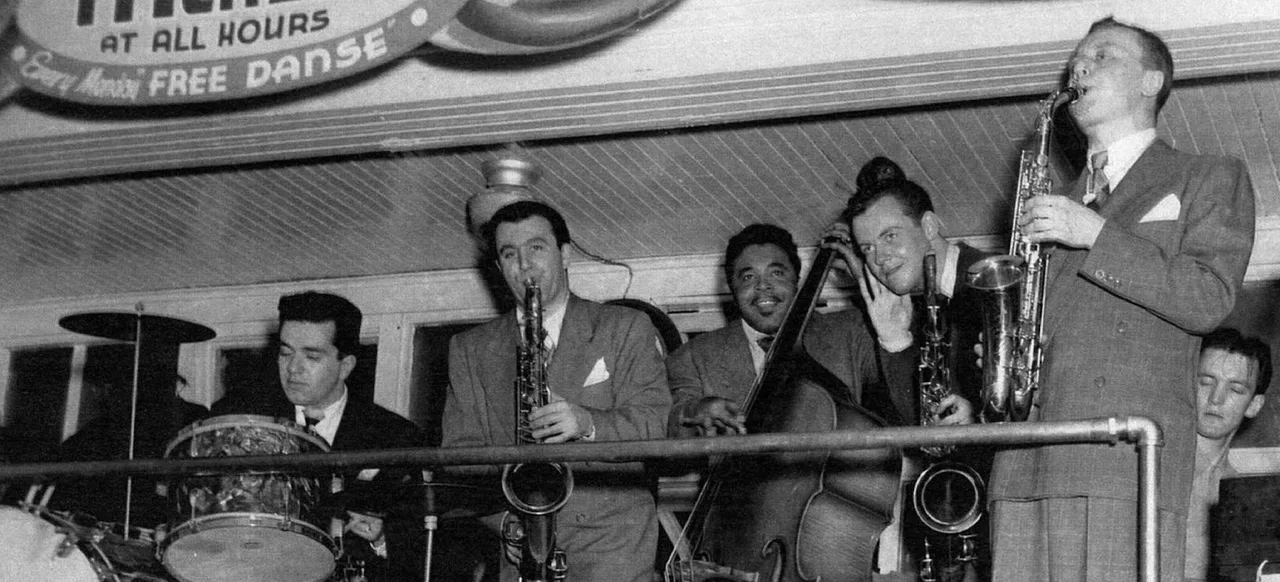
Yet throughout the Second World War, cabarets, bars, clubs and cafés were an integral part of the city's landscape. Montrealers and visitors went from one venue to the next in search of varied entertainment. Two of the city's intersections were a must for anyone who wanted to have a drink and catch a show: the corner of Saint-Laurent Boulevard and Sainte-Catherine Street, and the corner of Saint-Antoine and de la Montagne streets, then nicknamed "the Corner".
While the first intersection was mainly associated with cabarets, the second was better known for its jazz melodies. Revellers had the chance to see the biggest American and European stars deliver frenzied acts on the city's various stages. Thanks to its geographic location, Montreal benefited from outside influences, importing new sounds that inspired young artists in Quebec.
Next articleHow Montreal Women Helped Win the Second World War, from Seamstresses to Electricians