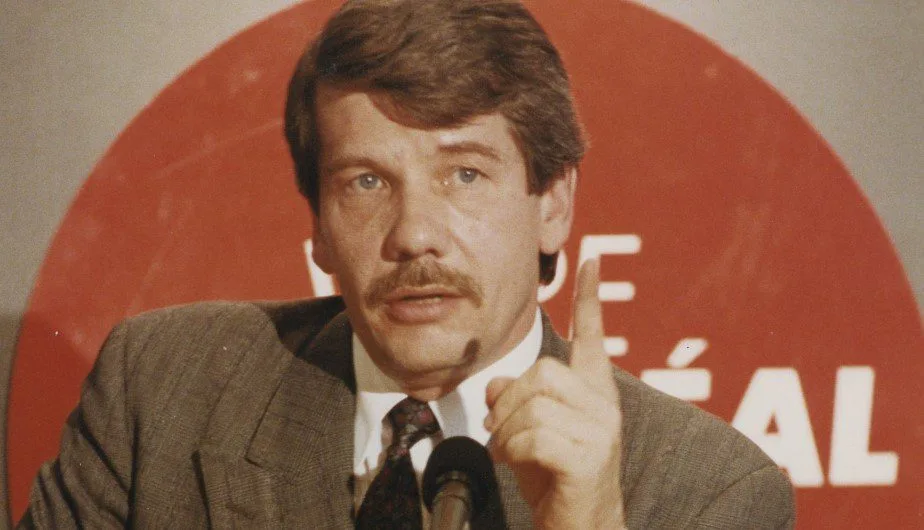
Jean Doré, who served two terms as mayor of Montreal, left a lasting impression on Montrealers, with many positive achievements but also some negative sides. Opinions on his policies are divided. Some point to the major transformations of Montreal that he set in motion, while others note the many mistakes and unfortunate decisions made during his administration. To learn more, visit montrealyes.
Jean Doré may not have been the city's greatest mayor, but no one will dispute that he managed to write his name into the history of Montreal and Canada.
Jean Doré's road to city hall
Jean Doré was born in Montreal in 1944. He went on to higher education at the Université de Montréal, where he studied law. It was during this time that the future politician's leadership qualities first showed, when he served as president of the general student association. Doré also earned a master's degree in political science at another renowned university in the city, McGill University.
In the 1970s, he became one of the founders of the Montreal Citizens' Movement (Rassemblement des citoyens de Montréal, RCM). Driven by an irrepressible desire to show his political talent and enthusiasm, traits that would define his whole career, Doré became leader of the party in 1982.
It is impossible to talk about Doré without mentioning the Montreal Citizens' Movement. He was one of those mayors who truly served their party and cared about its future. The RCM was a solid platform that supported Doré throughout his time in office.
That same year, in 1982, Doré was chosen as the RCM's candidate for mayor of Montreal. Running against Jean Drapeau, who had led the city for a long time, Doré did not manage to win. He only became mayor in 1986, ending his predecessor's autocratic reign. In 1990, Doré was re-elected and stayed in power until 1994.

Jean Doré's policies as mayor
As mayor, Doré oversaw the renovation of the Old Port, as well as many parks and the beach on Île Sainte-Hélène. The mayor also stood out for opening Place Émilie-Gamelin (known to Montrealers as Place Berri) and Place Charles-de-Gaulle. The opening of the Pointe-à-Callière archaeology museum is also Jean Doré's work, an initiative that gave Montreal a spectacular and fascinating venue that draws many tourists. The city's cyclists also owe him the creation of some 150 kilometres of bike paths.
However, the mayor's policies also drew criticism. For example, he refused to settle a huge debt that Jean Drapeau owed the city. But the biggest scandal for Jean Doré was the situation that developed in the Overdale neighbourhood. In the mid-1980s, several real estate developers bought many buildings in the area and proposed that the City demolish them to make way for a large condominium project.
Controversy broke out within the municipal administration. Doré's party, the RCM, opposed the idea, since defending tenants' rights was one of its founding principles. The mayor himself at first backed his colleagues on this issue, but after the developers put forward a large-scale project promising significant tax revenue, he authorized the demolition. Following this decision, more than 80 tenants were evicted and the buildings were razed. Doré's actions were viewed negatively and sparked a strong public backlash against the project. Construction of the condominium did not begin until 2015.
In the 1994 election, Doré was defeated. He later tried to return to politics by running for mayor again, but the attempt failed. He ended his political career and worked as a senior business development director at a bank.
In 2014, Doré announced that he had pancreatic cancer. It was this illness that caused the former Montreal mayor's death in 2015.

Jean Doré's time in power was thus marked by both positive and negative events. For many Montrealers, he will remain the charismatic man with the trademark moustache who always inspired others with his energy and enthusiasm.