On September 1, 1939, Nazi Germany invaded Poland. France and England immediately declared war on the invader. On September 9, Canada entered the conflict in turn. To learn more about life in Montreal during the war and how the city helped defeat the German war machine, visit montrealyes.com.
The war economy
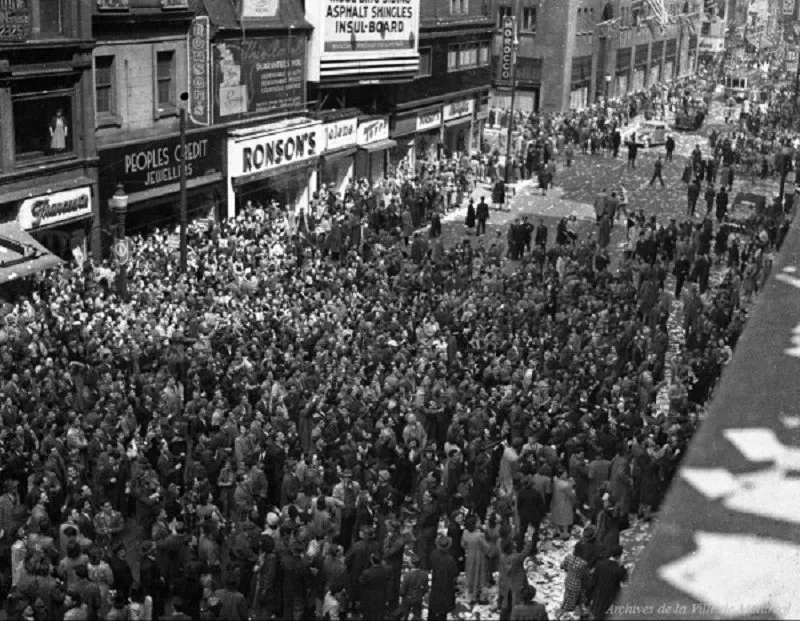
As soon as war was declared on Germany, Montreal's economy turned towards military needs. After several years of crisis, the city found itself in a situation of near full employment. This context also created strong demand for women workers in the Montreal labour market of the time.
At the Angus Shops in the Rosemont neighbourhood, 12,000 workers built 1,700 tanks for the fighting overseas. The Vickers company produced some thirty warships, and the munitions factories ran at full capacity. The Government of Canada built Montreal's new airport in Dorval, because the Saint-Hubert airport could no longer meet demand.
But there were also negative sides. For citizens, it meant the rationing of everyday food products: butter, milk, meat, sugar, tea, coffee and so on. Everyone had their own ration book.
Entertainment in wartime
The municipal authorities took the opportunity to ask Montrealers to save water. This measure was not driven by ecological concerns but by economic ones, owing to the shortage of materials needed for war production. Civil defence measures were put in place, including in anticipation of possible air raids. Montrealers had to be ready for anything. They were also encouraged to buy war savings certificates.
Despite the war, Montreal's theatre life was very rich and the cabarets were especially lively. This cultural life was fuelled by soldiers on leave, who poured into the city in large numbers. The flip side, however, was the strong comeback of gambling houses and prostitution.
The military command grew concerned about the high rate of venereal disease among soldiers. In January 1944, it summoned representatives of the city and gave them an ultimatum: close the "Red Light" district, or the city would be declared off limits to the troops.
Had this threat been carried out, it would have had serious consequences for Montreal's economy and reputation. On February 2, all the brothels mysteriously closed their doors at the same time, without the police even stepping in.
Politics in wartime
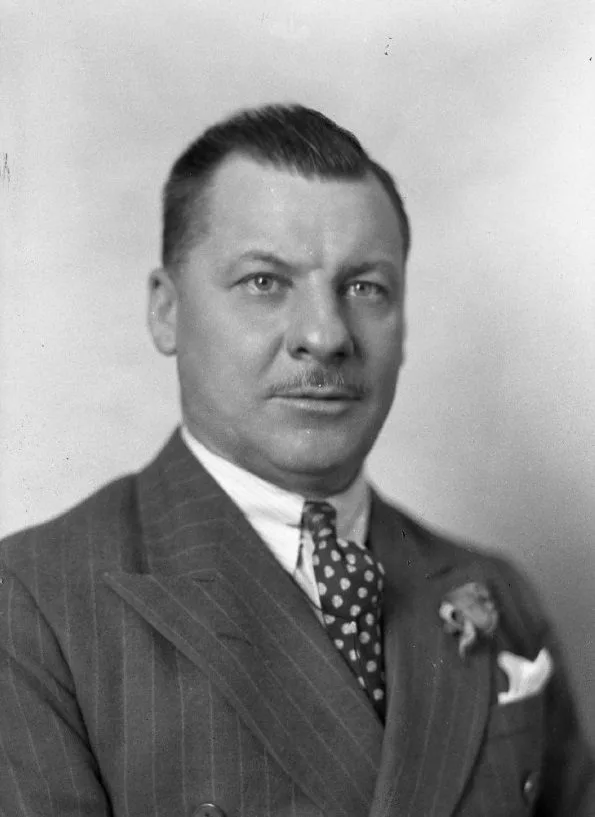
At the start of the war, Camillien Houde was mayor of Montreal. However, he opposed the national registration introduced by the Prime Minister of Canada for all men and women aged 16 to 60. In his view, this initiative was only a first step towards the conscription of French Canadians, who still had painful memories of the First World War of 1914-1918.
On August 5, 1940, he was arrested by the Royal Canadian Mounted Police as he left city hall. He was then sent to the Petawawa internment camp in Ontario, and to Fredericton the following year.
That same year, the Quebec government placed Montreal under trusteeship, setting up an undemocratic municipal regime with 99 city councillors, a third of whom were not elected. Although Adélard Raynault was elected mayor, his powers were limited.
In the 1942 plebiscite, the year of Montreal's tercentenary, French Canadians mostly opposed the possibility of conscription for military service overseas. Nationwide, however, they found themselves in the minority.
In August 1944, Camillien Houde was released. He received a triumphant welcome in Montreal and, at the end of the year, the city's residents re-elected him mayor.
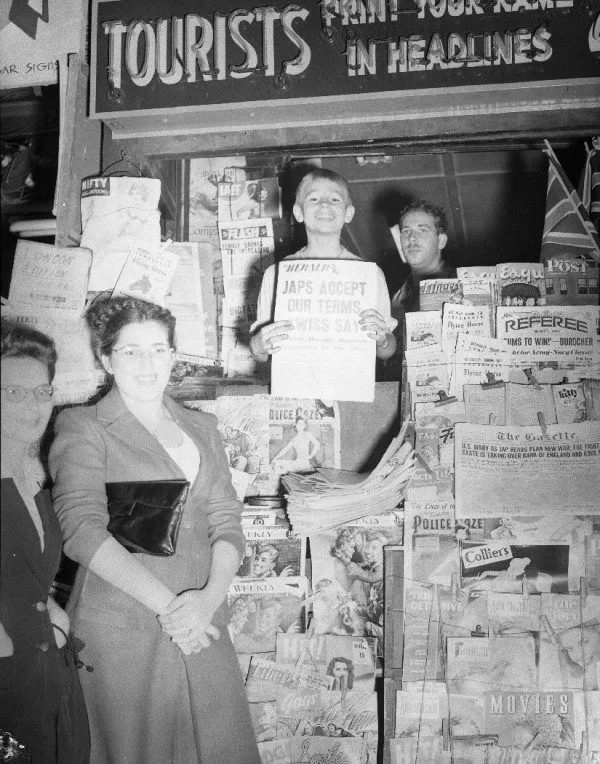
On May 7, 1945, Nazi Germany surrendered. Montrealers poured into Sainte-Catherine Street to celebrate the event. They would do the same in August, after Japan's surrender.
Next articleThe History of the Quebec Biker War