While some still see the 1970s as an endless festival of freedom, sexual revolution and the first stirrings of proto-punk to the sound of frenzied guitars, that picture only partly applies to Canada. Especially when we are talking about a country generally seen as a model of calm, courtesy and political moderation. And it crumbles completely once you get to Montreal, a city people like to describe as a European island in North America, with an almost pacifist atmosphere and culture.
But it was precisely in October 1970 that it suddenly became clear that even the most courteous societies were capable of
"exploding". Montreal suddenly stopped being just a
"quiet city with character" and became the stage for events that made people talk about fear, state power and the limits of democracy without any romance at all. And to grasp the scale of this story, there is no need to look for grandiose explanations or outside interpretations: it is enough to look at the events themselves by visiting montrealyes.com.
Montreal before the fall
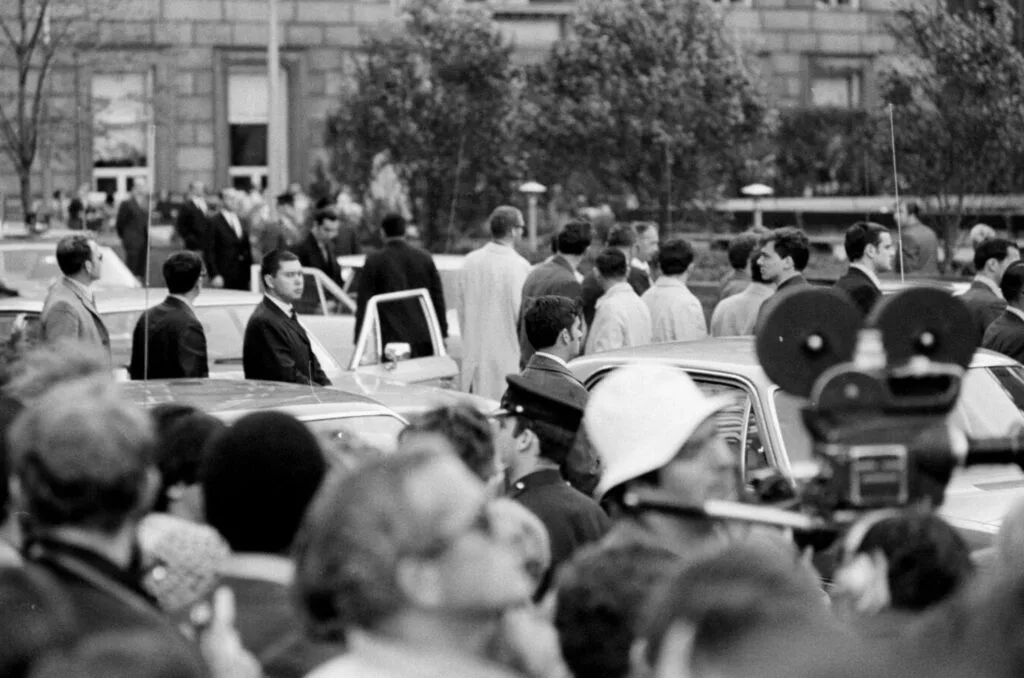
Indeed, at the time Canada was associated neither with bombings, nor with kidnappings, nor with political terrorism. People associated it instead with maple syrup, polite apologies and long winters. But October 1970 was the moment that forced even this peaceful country to wake up suddenly with the feeling that the world is far less predictable than it seems.
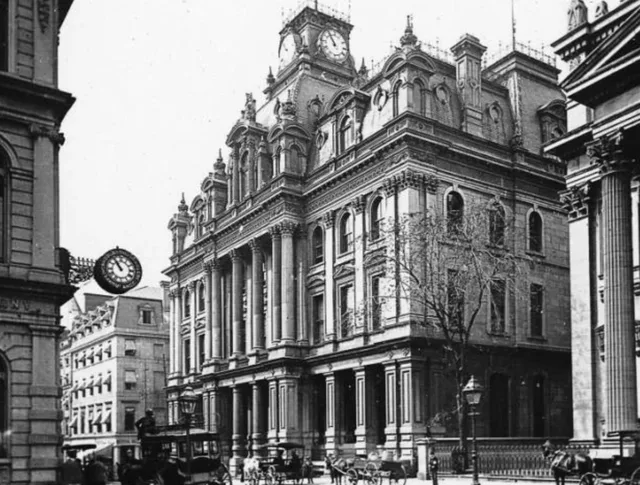
Back then, Montreal did not look like a city ready for radicalization. Cosmopolitan and lively, combining French charm with British reserve, it seemed more like a place for festivals than fertile ground for an underground struggle.
But, as it turned out, this apparent harmony had long concealed a serious conflict: part of Quebec's francophone population felt like strangers in their own country. And while some demanded change through political means, others felt that the political route was taking too long.
That is how the Front de libération du Québec appeared on the political scene: an organization that decided to act on the principle "if they won't hear us, we have to make ourselves heard". And, as is often the case with radicals, they quickly moved from loud statements to action.
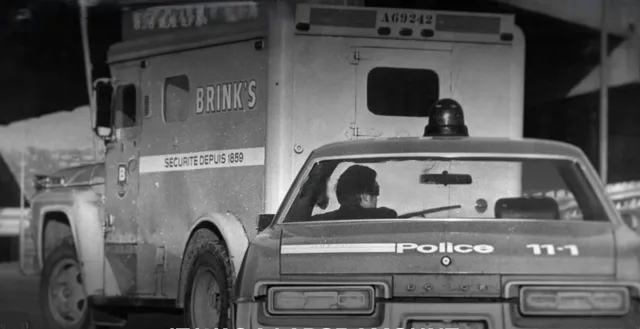
The plan was both simple and insane: a kidnapping. First, a diplomat. Then, a minister. And if the first still seemed a matter of cold calculation, the second marked the point of no return.
When words run out
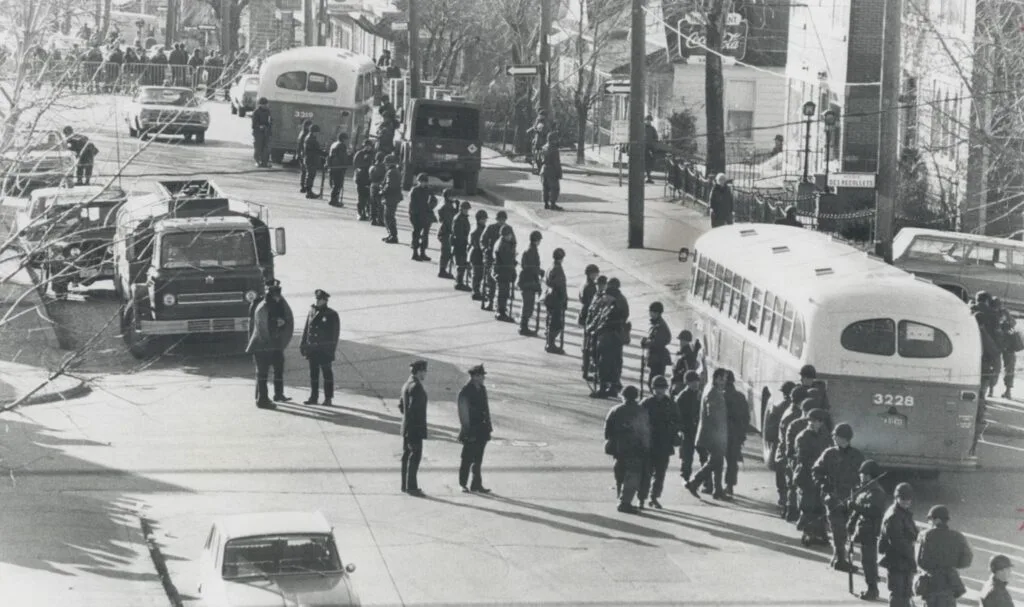
And this is where things get really interesting. Because the reaction of the state turned out to be just as revealing as the actions of the radicals themselves.
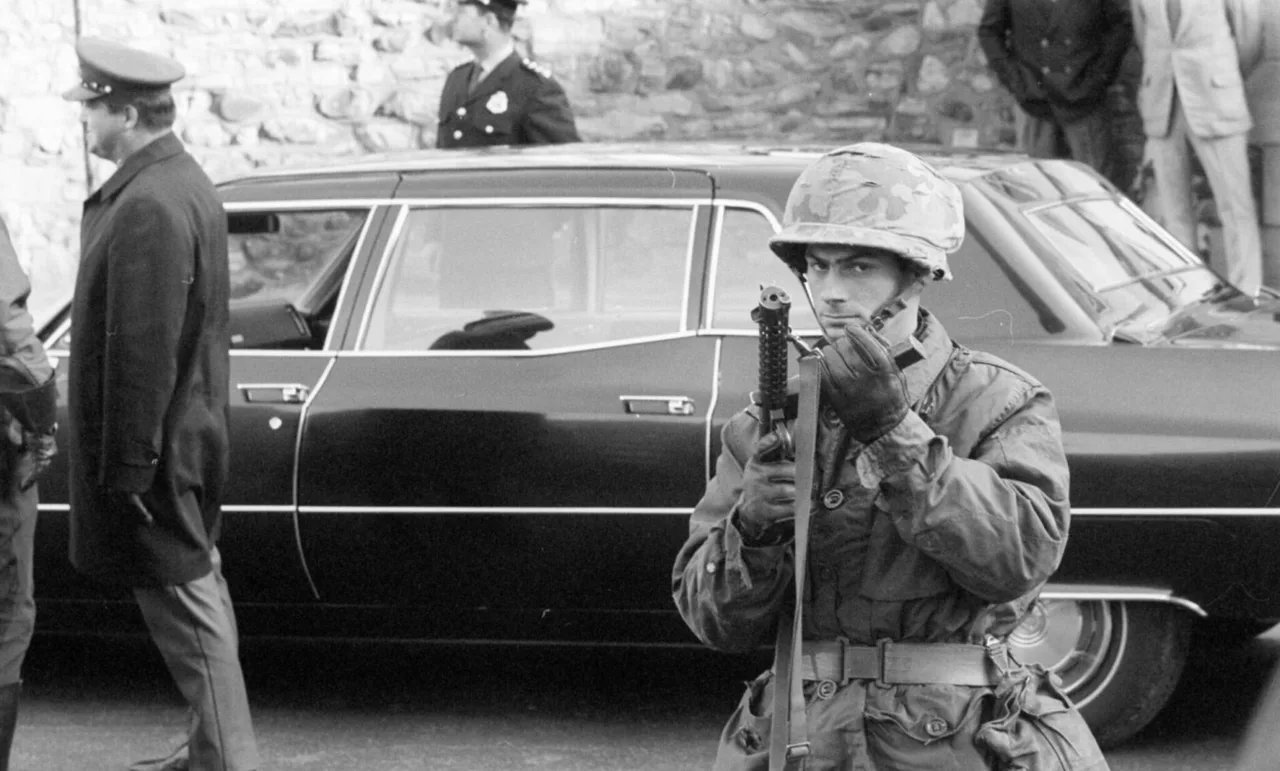
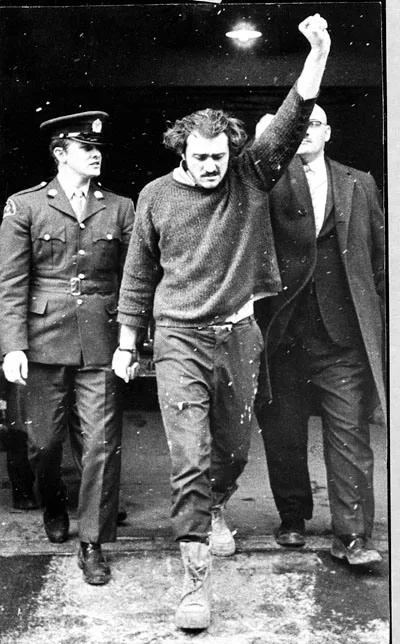
Canada, which had spent years building an image as a stable democracy, suddenly pulled out of its arsenal a tool better suited to wartime than to civilian life. The War Measures Act (Loi sur les mesures de guerre). Soldiers in the streets of Quebec. Mass arrests without the usual warrants under the state of emergency. And all of this not somewhere far away, but in a city where, only yesterday, people were chatting about the weather and hockey.
The irony is that the terrorists wanted to shake the system, and they succeeded. But not at all in the way they had planned. Instead of a revolution, they got a state that, for a time, became markedly more authoritarian than a democracy usually allows itself to be. Tellingly, Prime Minister Pierre Trudeau invoked the War Measures Act in peacetime for the first time; it had previously been used only during the world wars.
More than four hundred people were detained. Not all of them had any proven direct link to underground structures. But in moments of fear, precision often gives way to speed. The logic is simple: better to arrest one person too many than to let a dangerous one slip through.
And society, as it turned out, was divided as well. Some Canadians supported these harsh measures, believing that order came before procedure. Others saw a worrying signal in them: if rights can be set aside so easily, are they really inalienable?
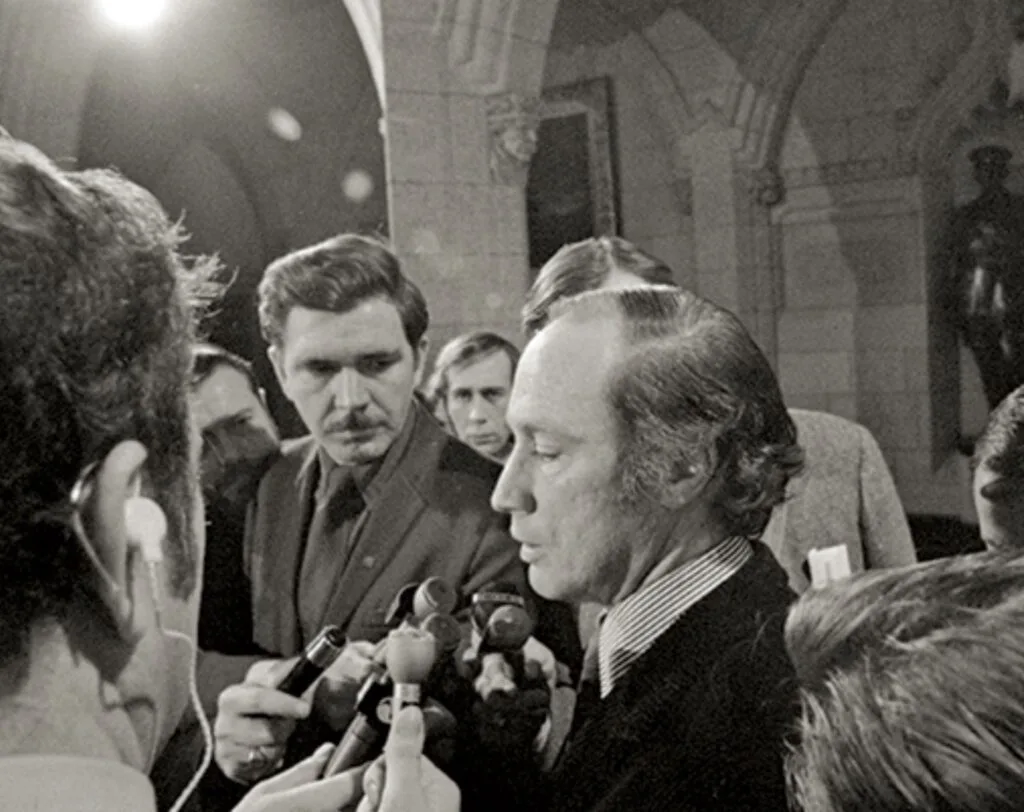
Pierre Trudeau's famous phrase "Just watch me", spoken to journalists in answer to a question about how far he was prepared to go to maintain order in the face of the threat, became an iconic moment of these events. It was one of the most memorable moments of the entire crisis, even though the answer was given before the emergency measures had even been put in place.
How Montreal tried to understand itself
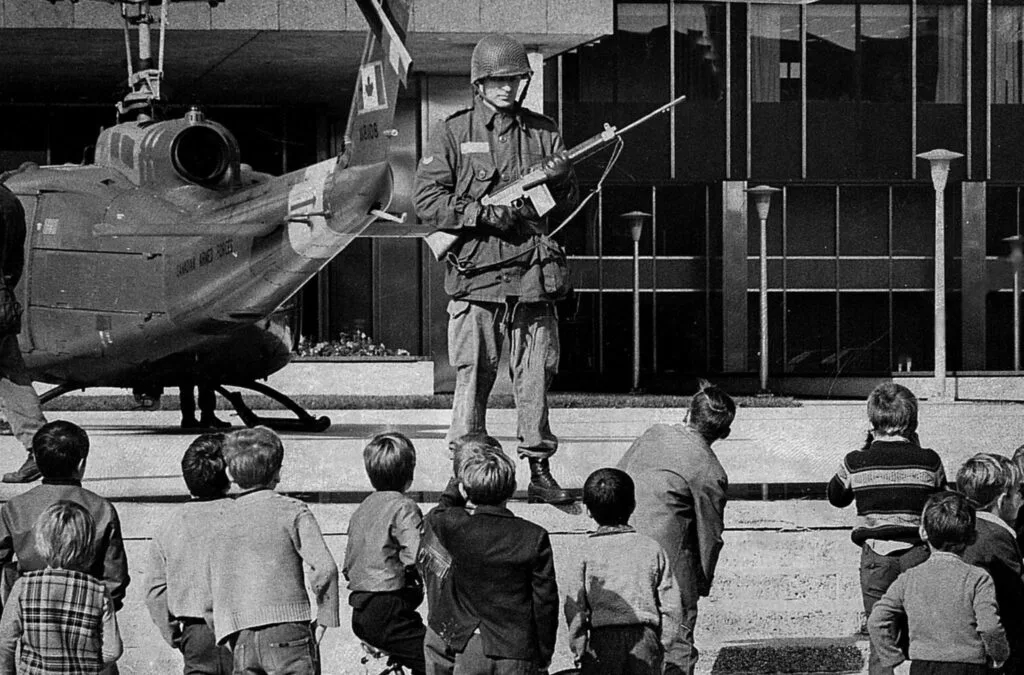
Looking at Montreal from afar, it is hard to imagine that this city was the epicentre of one of the most resounding political crises in Canada's modern history. A city of festivals, coffee and French lightness, and suddenly: the underground, kidnappings and soldiers in the streets. But such things do not come out of nowhere.
The Front de libération du Québec did not emerge as a sudden flare-up of radicalism. It was rather a mix of social discontent, the language question and a political sense among the francophone population of being "second-class" within Canada. In the 1960s, Quebec was already going through what came to be called the "Quiet Revolution": a period of rapid modernization, secularization and rising national consciousness. Part of society turned to politics and reform, while another part moved towards more radical ideas.
It is no coincidence that the Front was made up mainly of young people, students and workers, some of them close to the radical left. It was not an "army of professional terrorists" in the classic sense of the term, but rather scattered cells that believed symbolic attacks, bombings and kidnappings would speed up political change. And yes, there was a mix of idealism, naivety and a dangerous belief that history could be "pushed forward".
After the 1970 crisis, the state responded firmly and quickly. During the state of emergency, hundreds of people were arrested, some of them without direct evidence of their involvement in the organization. Most of those arrested were later released, but the mere fact of these mass arrests left a deep mark on society.
As for the direct members of the Front de libération du Québec, the justice system applied the standard rules of criminal law. Some were sentenced to long prison terms for kidnapping, armed crimes and taking part in acts of violence. Others fled or escaped heavy penalties because the organization's structures collapsed. The best-known figures in these cases were gradually released over the following years, but their actions no longer enjoyed virtually any political support.
In the wake of these events, Montreal did not become a city ruled by long-term fear, but a certain rift remained. Part of society came to distrust the state because of the emergency measures, while another part, on the contrary, felt the authorities had saved the situation from chaos. This division did not disappear right away and long shaped the political climate in Quebec.
The authorities, for their part, acted as is usually done after crises of this scale: they gradually brought things back to normal, but they learned a lesson. The police and security services were given more powers and means of coordination, while the federal government began paying closer attention to the question of francophone identity.
And perhaps the most interesting thing here is that Montreal did not "transform" after 1970 into a different city. It stayed the same, but with the memory of the moment when the usual order of things suddenly stopped being something to take for granted.
Montreal survived, but did not forget
Montreal survived that October. So did Canada. But the memory of October 1970 has remained as a reminder: even in the most peaceful countries, there are points of tension that must not be ignored. Because if they are not resolved through words, sooner or later someone will try to resolve them some other way.
And perhaps the main paradox of this story is that it does not lead to a clear-cut conclusion. Terrorism is an evil, there is no doubt about that. But does the state, in fighting it, always remain what it aspires to be? That is where the real debate begins. And, to be honest, it is still going on today.
Sources:
- https://www.alloprof.qc.ca/fr/eleves/bv/histoire/les-annees-1970-le-flq-et-la-crise-d-octobre-h1348
- https://www.museedelhistoire.ca/zone-pedagogique/libertes-sacrifiees/crise-doctobre/
- https://thecanadianencyclopedia.ca/fr/chronologie/le-flq-et-la-crise-doctobre
- https://blogue.onf.ca/blogue/2020/10/02/les-evenements-octobre-1970-le-film/
- https://ville.montreal.qc.ca/memoiresdesmontrealais/la-loi-sur-les-mesures-de-guerre-contre-le-terrorisme-montreal