In Montreal, the turn of the 20th century was marked by several competing visions of Canada. For some, mainly English-speaking residents, Canada was a colony that was to add to England's prestige. For others, more numerous among French speakers, Canada was an autonomous nation within the Empire. In the middle stood the moderates, supporters of compromise and of harmonious coexistence between the two cultural groups. Dorchester Square and Place du Canada are home to several memorials that illustrate these visions, showing how this place, at first a symbol of British power, gradually came to reflect modern Canada, and then Montreal. To learn more, visit montrealyes.com.
A military history
In 1795, because burials were prohibited inside the fortified town of Montreal, the Fabrique of Notre-Dame parish bought land outside the walls. It buried its dead there until another cemetery was built in Côte-des-Neiges in 1854. At first, the bodies were moved to the new site, but fear of a cholera epidemic put an end to the exhumations. As a result, from 1871 onwards, some 10,000 graves lay beneath downtown Montreal. Mindful of public health and urban planning, the city's elected officials decided to create a public space in the area, which they named Dominion Square in honour of the young Canadian Confederation, founded in 1867.
The City decided to preserve this land. That decision explains why this unique space exists today, made up of two rectangles separated by René-Lévesque Boulevard. The square rises on an upward slope, and the streets follow its irregular lines. Today it is known as Dorchester Square for its northern part and Place du Canada for its southern part.
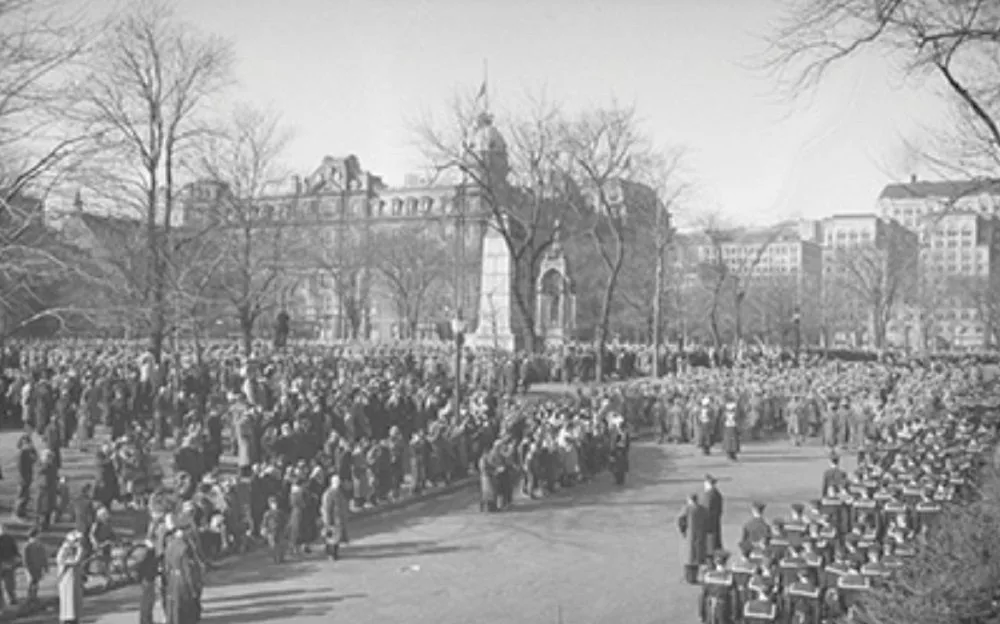
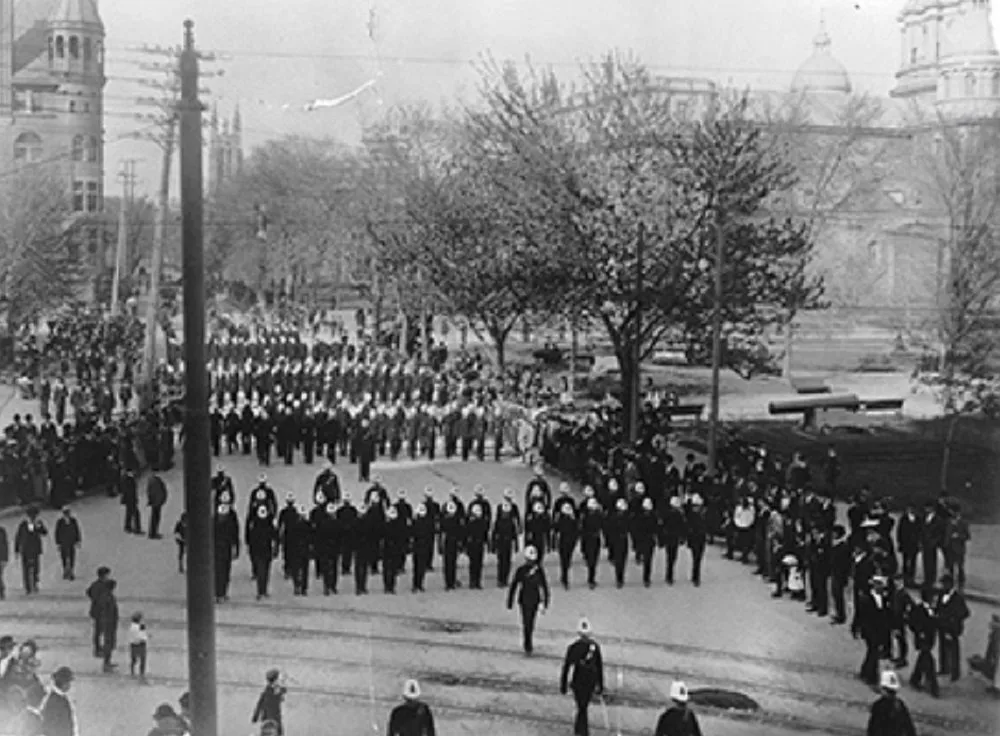
The link between this place and the military world is confirmed by its inauguration, which was marked by concerts by the bands of the Victoria Fusiliers. In addition, many downtown military parades pass through the square. The idea of commemorating military heroes and victories there therefore fits perfectly with the identity of the place. The military history of this spot is defined by the monuments that stand there, especially those that appeared after the Crimean War.
The Sevastopol cannons
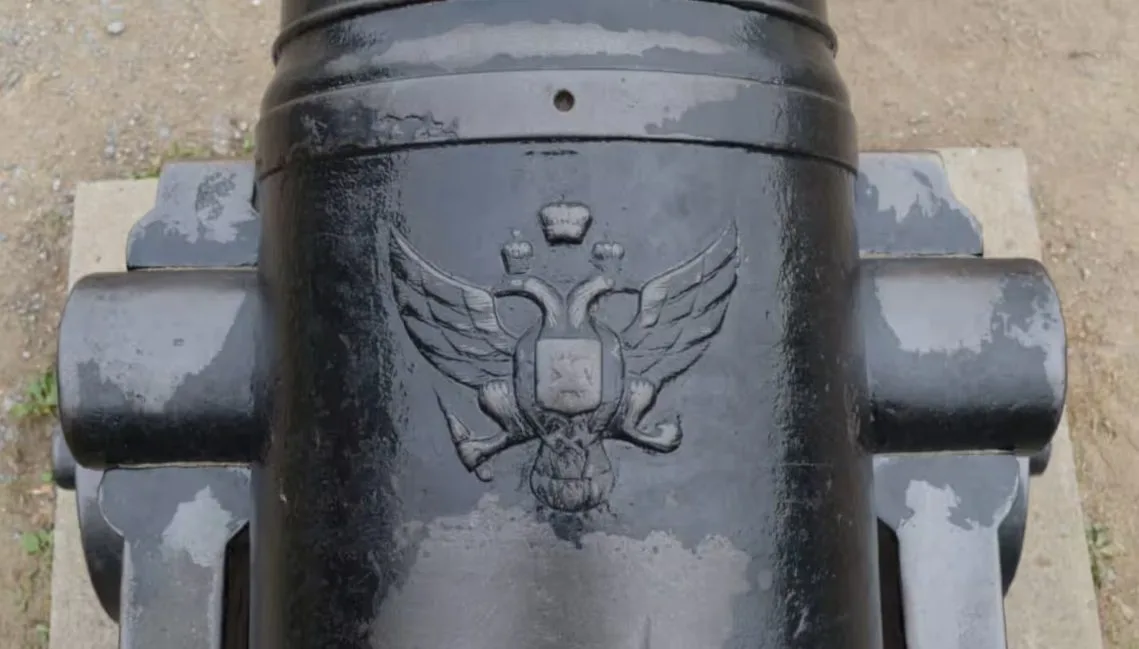
The Crimean War, which lasted from 1854 to 1856, was above all a struggle for influence among the great European powers of the time. The 39th Regiment, which had come from England and was stationed in Montreal, took part in this war and returned home in triumph in July 1856. To recognize the bravery of its soldiers, Queen Victoria presented the regiments that had fought with cannons captured in the fighting. In Montreal, two of them were first displayed in Old Montreal, near the British garrison. Depending on the source, they were then moved to Dominion Square in the late 1870s, in 1889 or in 1892.
Captured at the Battle of Sevastopol in Ukraine, these pieces are authentic artillery cannons, each made up of a barrel and a carriage. The carriage was originally made of wood, but it was replaced with a cement replica. The artifacts are made of an alloy of bronze and metal. They were the first objects to adorn the square.
Their material, their old-fashioned shapes and the eagles engraved on the barrels, the coat of arms of the Russian tsar, anchor these cannons in the past. Their presence illustrates 19th-century military weaponry and recalls the harsh reality of conflict. The cannons also evoke the country's former colonial status.
At the turn of the 20th century, the cannons drew American tourists who, on stepping out of the new Windsor Station, hurried to photograph them. Indeed, a rumour was going around in the United States that they had been used to repel an American invasion.
The consequences of the Crimean War
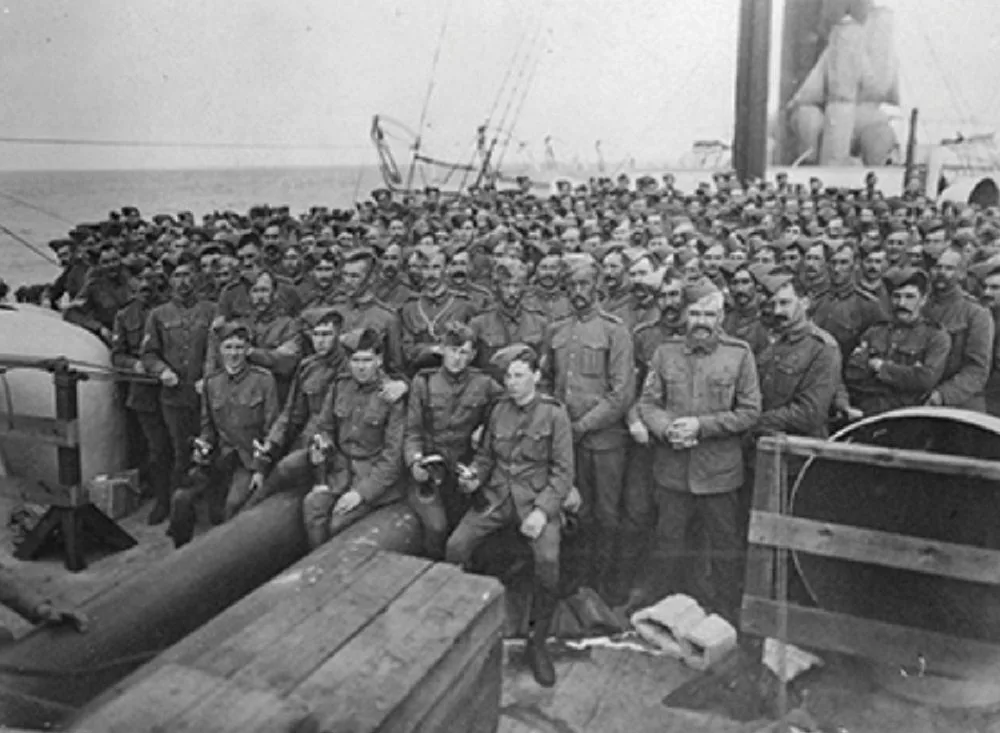
Although Canada played no direct role in it, the Crimean War had a twofold impact on Canadian military history. First, it brought the Canadian Army Reserve into the modern era. When the British troops stationed in the country were sent to the front, the government of the Province of Canada was forced to call on 5,000 volunteers. Demand outstripped supply, and from 1855 the Canadian militia, until then a conscript force used for political matters, became a single, volunteer, official force.
This conflict, the Crimean War, was also the first to be covered by newspapers. The dispatches described several acts of bravery that went unrecognized, because as a rule only British officers received decorations. Queen Victoria changed this with a royal warrant in 1856, creating the highest award of the armed forces of the United Kingdom and the Commonwealth.
The Victoria Cross was intended to reward only bravery in the face of the enemy in wartime. The Queen required that the award take no account of the recipient's rank, religion, ethnic origin or social status. This cross-shaped decoration bears the royal arms and the words "For Valour". It hangs from a crimson ribbon, and recipients may add the initials VC after their name. Since it was created, 93 Canadian service members have received this award, some in their lifetime and others, sadly, posthumously.
But beyond medals, what matters most is the support given to soldiers after the war. During the First World War, Montrealers learned about the realities of the conflict from the newspapers, which also announced rationing and deaths. When many veterans came home, physically and psychologically maimed, Montrealers did not abandon them to their fate.
Particular mention should be made of the French-speaking members of the Société Saint-Jean-Baptiste de Montréal, which became the most important support group for these men and for French Canada in general. With the approval of those returning from the front, the society organized events to help soldiers and their families, creating among other things the "Guignolée du soldat" to raise funds that were distributed to war victims and conscripts.
After the conflict, members of this organization welcomed soldiers returning home at least twice a week. Many of them could not go back to work, and some struggled with psychological problems linked to post-traumatic stress disorder. To meet these needs, original and little-known projects were set up, including the "Canadian house" project. A Canadian evening was organized to reconnect compatriots back from the army with local traditions.
Honouring the living
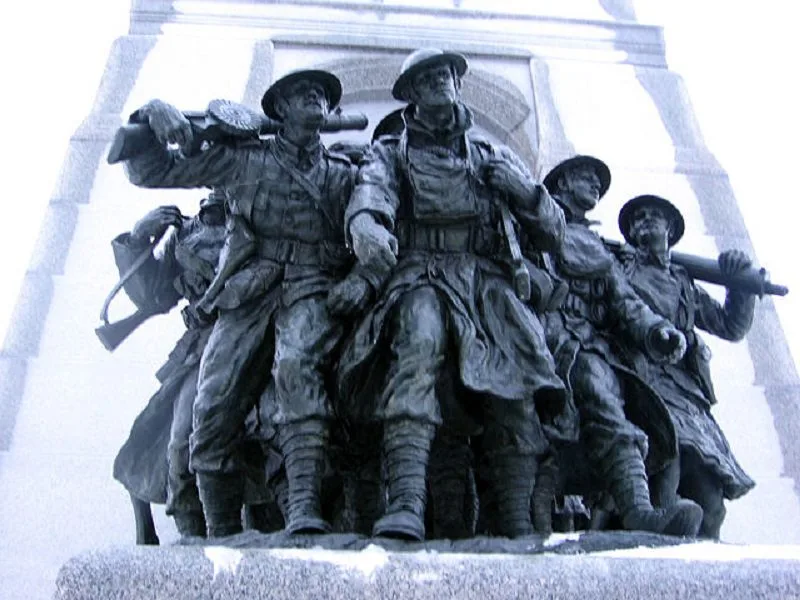
In June 1925, after the unveiling of a war memorial and a major ceremony honouring the heroes in the fall of the previous year, a banner honouring veterans was presented during the national parade. Everyone was invited to march. It was the first time that people who were not members of the society took part in the parade as anything other than ordinary spectators. The event was a great success. Veterans from other cities joined the parade. In 1928, French, Belgian and Italian veterans from Montreal joined the French-Canadian delegation. For the first time, the national parade fully reflected the multicultural character of the city.
Indeed, Ukrainians gathered near the cenotaph in 1993 to commemorate the 60th anniversary of the Holodomor of 1933-1934. In 1988, Belgians celebrated the 157th anniversary of their country's independence there, as did Poles in 1991, along with the Greek community, which held celebrations there for several years.