During the First World War, Montreal became a major hub of charitable activity, where mutual aid was an integral part of city life. The state as such was unable to fully meet the social needs of the population, and much of this responsibility was taken on by the charitable sector. Wartime conditions demanded quick solutions, and city residents rose to these challenges by organizing massive fundraising drives for military families, supporting the wounded and taking part in other volunteer initiatives.
Women's organizations, which supplied the front with clothing and medical supplies, played a special role, as did the many community clubs that coordinated local aid campaigns. At the same time, ethnic communities set up their own support networks, helping the most vulnerable segments of the population. In effect, charity made up for the absence of a developed social system. The materials of the montrealyes.com project make it possible to study how the city mobilized in those difficult times.
Massive financial aid for military families
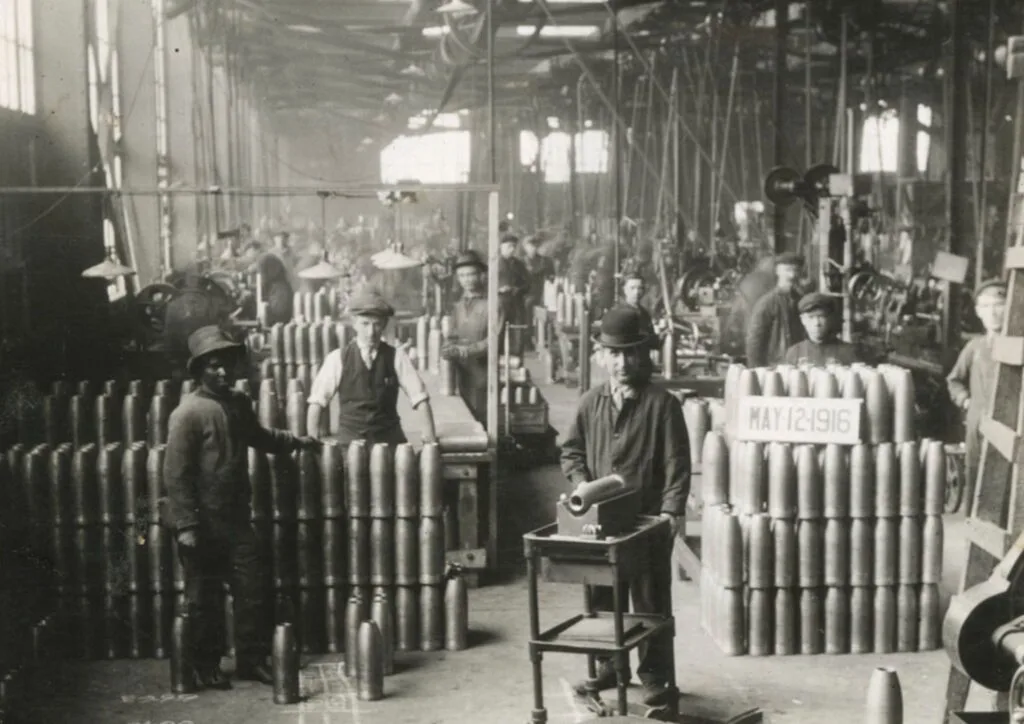
In short, the state did not "take over" at the time, and someone had to look after what can quite rightly be called the "everyday front". Not trenches or attacks, but the daily arithmetic of survival: how a family pays for its housing without its main breadwinner, how to buy food and clothes for the children, how to pay for medical care without sinking into poverty, while the husband is somewhere near Ypres or on the Somme. It was precisely on this second front, invisible but crucially important, that the Canadian Patriotic Fund appeared in 1914, a body that quickly became one of the main financial "shock absorbers" for military families.
The initiative came into being practically from the start of the war. The fund launched large-scale fundraising campaigns, appealing to patriotism, compassion and, to be honest, a certain social pressure: it became almost embarrassing to stay on the sidelines in such a situation. In Montreal, this took on a particular scale. Businesses, banks, churches, charitable associations and ordinary citizens joined the movement. Donations were collected everywhere, from large public campaigns to local initiatives at the neighbourhood level.
However, what mattered was not only that the money was collected, but how it was distributed. The fund tried to act systematically. Applications were checked, living conditions were assessed, and aid was granted in the form of regular payments rather than one-off gifts. The aim was to cover basic expenses: rent, food, clothes for the children, and sometimes medical costs.
It looks almost like an early model of the welfare state, but without the state as such. The irony is that this "temporary" charitable body in fact took on functions that the government was simply not yet ready for. The aid reached thousands of families, and without it, urban reality would quickly have turned into a poverty crisis.
So if we look for the real home front of the First World War in Montreal, it was not only in the barracks or warehouses, but also in those regular payments, those lists of recipients and those endless queues of applications: places where, every day, the defence was held not with weapons, but with bills and empty wallets.
The women's volunteer movement and "everyday charity"
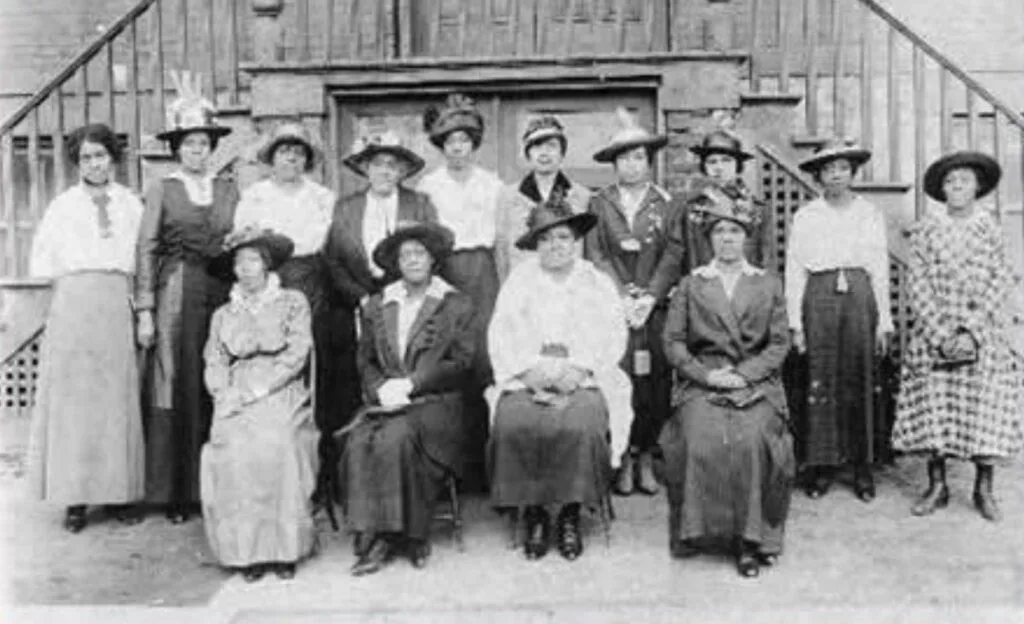
If finances held the "everyday front", daily material aid was provided by entirely different people, above all women. It was they who built what could be called "everyday charity": not high-profile campaigns, but endless manual work, somewhat monotonous but crucially important. In Montreal, this movement took on an almost industrial scale: people sewed, knitted, packed and sorted. And they did it systematically, not "whenever they felt like it".
The central body here was the Canadian Red Cross. Its Canadian branch was founded as early as the end of the 19th century (officially in 1896), but it was the First World War that turned it into a mass organization. The goal was entirely pragmatic: to support the wounded, supply hospitals, help prisoners of war and send humanitarian shipments. Thus, at the start of the war, medical supplies often depended on private donations and shipments provided by volunteers.
Who took part? Mainly middle-class women: homemakers, teachers, members of community organizations. But it did not stop there: students, factory workers and even teenage girls joined in as well. In reality, it was one of the few socially acceptable ways for women to "go to war" without leaving the city.
The work was nothing heroic, but it was effective. Thousands of pairs of socks, bandages, blankets, dressing supplies, crates of food and basic necessities. All of it was collected, packed and shipped centrally: to the front, to hospitals in Europe or to prisoners of war. The Montreal branches worked like well-run workshops, where everyone knew their job.
And while the Canadian Patriotic Fund helped the families who stayed at home, the Red Cross dealt with the other side of the same problem: it helped those who were already in the thick of the war.
Ethnic and social communities
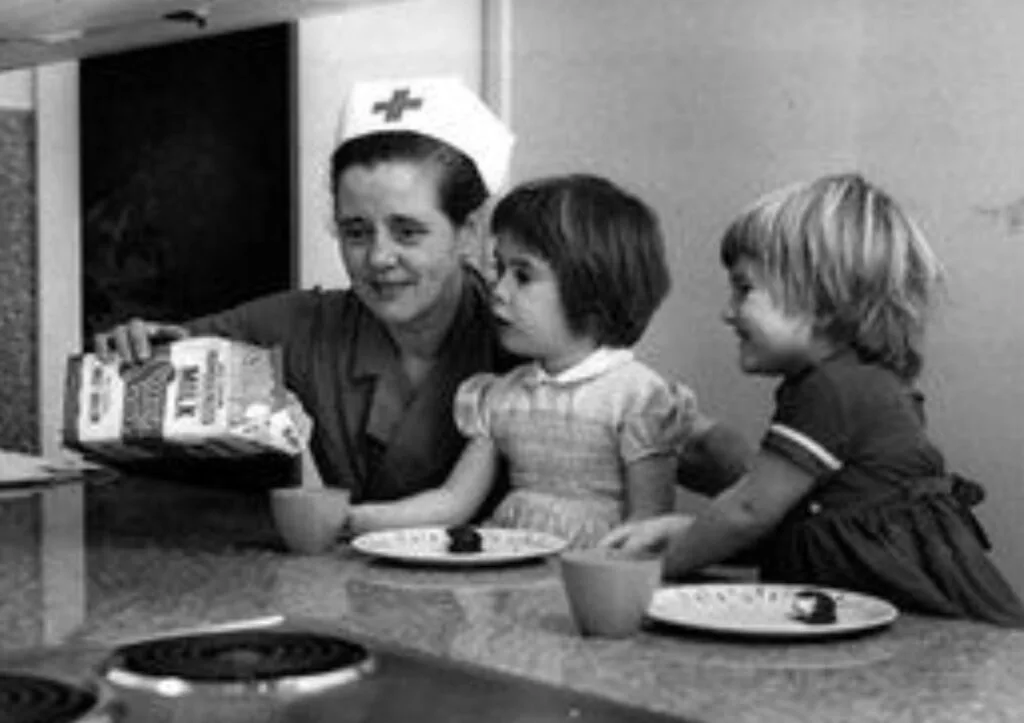
If the large funds set the rules of the game and women's organizations drove the process forward, ethnic and social communities brought a very human dimension to it all. In early 20th-century Montreal, these communities were numerous, and the war became for them not only a challenge, but also an opportunity to mobilize quickly. Moreover, the help given here was often more "targeted": it was aimed not at abstract recipients, but at people close to them: neighbours, relatives, people from the same street or the same community.
A telling example is the city's Jewish community. It was actively involved in charitable work, but in its own way, through a network of local organizations, synagogues and mutual aid. It collected money, clothing and food, and organized support for soldiers' families, especially those who lived in precarious conditions even in peacetime. And there is an important nuance here: the aid often linked the "front" and the "home front", which is why support went both to those who were fighting and to those who had stayed at home.
At the same time, initiatives aimed specifically at women and mothers emerged. One example is the Coloured Women's Club of Montreal, an organization founded before the war, but one that became considerably more active during this period. It helped the most vulnerable: women with children, poor families, those who had no access to the large funds or who simply got lost in the maze of bureaucracy.
Here we have a concrete example of a situation with less grandiloquence and more concrete action: food, clothing, basic help. The irony is that it was precisely these "small" initiatives that often worked faster and more effectively than the large organizations. Because when you know exactly who needs help (not from a list, but face to face), decisions are made without needless formalities.
Charity during the First World War was not a mere "add-on" to the war
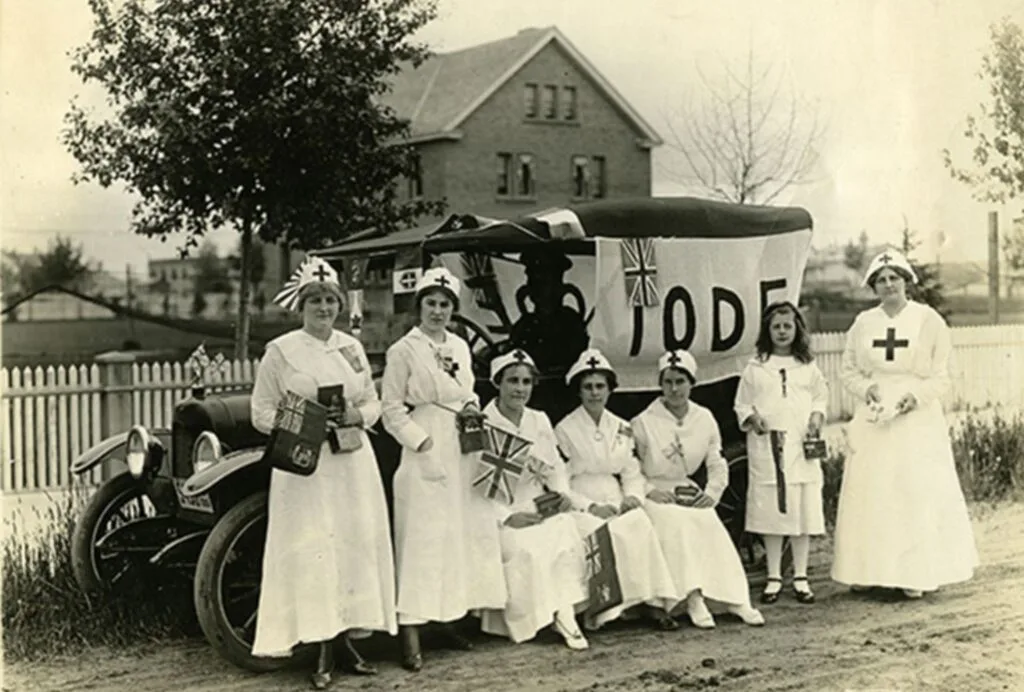
In conclusion, it is hard to regard the charitable movement in Montreal during the First World War as something secondary or "incidental" to the military events. It was a distinct system that, in reality, kept the city functioning while the official mechanisms of the state were not yet able to fully cope with the scale of the social challenges.
Organizations such as the Canadian Patriotic Fund ensured the basic financial stability of military families, while others, such as the Canadian Red Cross, met essential humanitarian needs; as for the many women's and ethnic initiatives, they literally "knitted" this system together at the level of everyday life.
In other words, Montreal's "home front" existed not thanks to the state as a single centre, but thanks to the thousands of people who, every day, filled the gaps in the system. And it was precisely this, paradoxical as it may seem, that was one of the essential conditions that allowed the city to come through the war without a total social collapse.
Sources:
- https://azure-archivalcollections.library.mcgill.ca/index.php/canadian-patriotic-fund-montreal-branch-1899-1937
- https://www.rotarymtl.org/1111/Page/ShowSitePage?ClassCode=SitePage&Slug=history-1913-1986&utm
- https://www.redcross.ca/about-us/about-the-canadian-red-cross/historical-highlights/the-first-world-war-1914-1918
- https://encyclopedia.1914-1918-online.net/article/state-civil-society-and-relief-organizations-for-war/