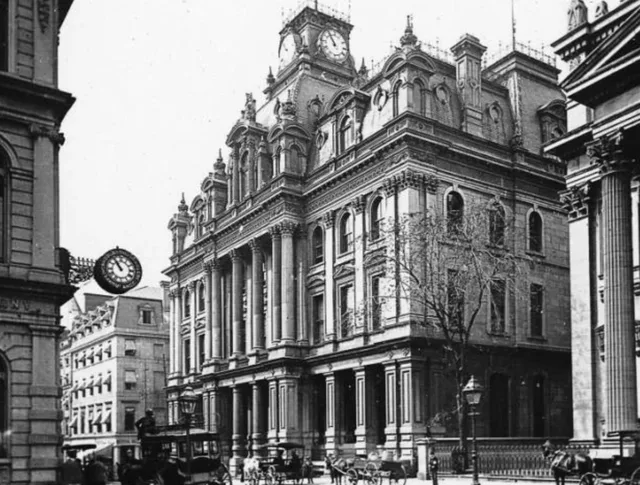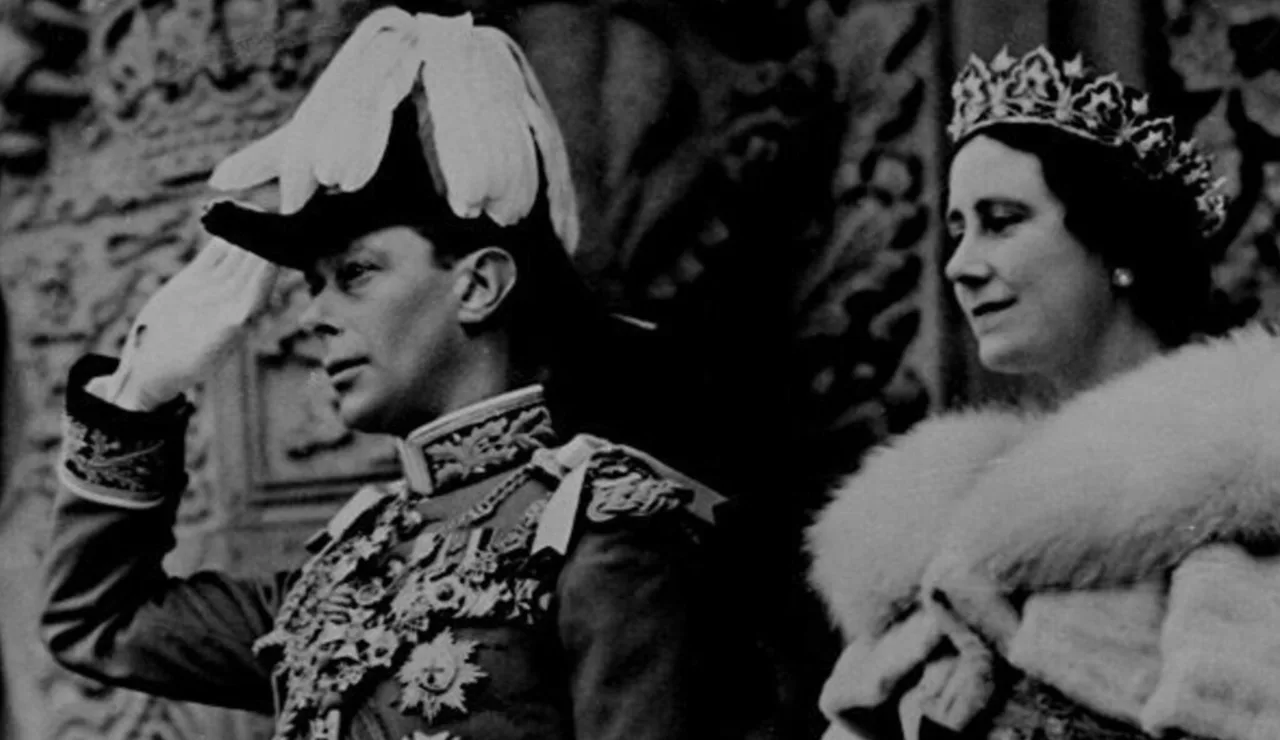
At first glance, Canada's participation in the two world wars looks like a consistent story of loyalty to its allies. But behind this apparent similarity lies a fundamental difference. The country was drawn automatically into the whirlwind of the First World War as an integral part of the imperial system alongside Great Britain. In the Second World War, by contrast, Canada went to war as an independent actor, making its own decisions and shaping its own policy.
Yet this new status did not mean a break with the monarchy. Canada, while keeping its status as a dominion, remained loyal to the Crown, and the country's king was George VI. Better still, it was precisely the institution of the monarchy that, at that time, played a leading role in asserting Canadian identity on the international stage. In this context, Montreal, a city that became one of the symbols of this transition, also found its place.
To learn more about the life of the royal family against the backdrop of all these events, visit montrealyes.com.
Towards autonomy: the Statute of Westminster
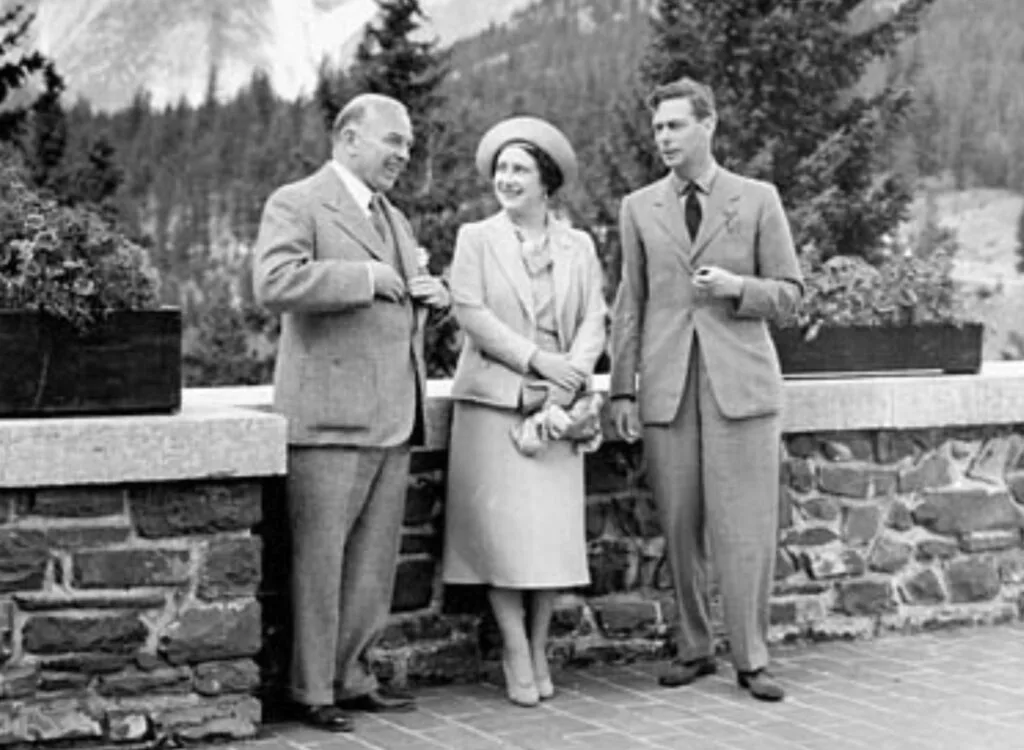
Stories of independence rarely begin with solemn decisions made in a single day; they are usually preceded by a long period of political "maturing", during which the old system no longer works as before, but the new one is not yet fully in place. For Canada, this process was a gradual evolution from colonial administration to greater autonomy within the empire. After the First World War, it became clear that the dominions were no longer mere territories, but political actors with their own interests, their own armies and a position on the international stage. It was precisely this reality that led to the revision of the old rules.
The Statute of Westminster of 1931 was the official culmination of this process. It did not appear "out of nowhere": it was the result of a series of imperial conferences, political negotiations and a gradual realization that the old imperial mechanisms no longer matched reality. The irony is that no one "liberated" anyone in the classic sense of the word: rather, the parties formalized what had already happened in practice.
What did Canada gain? Above all, legislative independence: from then on, the British Parliament no longer had the right to pass laws for Canada without its consent. The country gained full control over its domestic and foreign policy, including the right to set its own course in international relations. At the same time, however, the old ties were maintained: the British monarch formally remained head of state, and the constitutional system kept an "imperial touch" for a long time.
And then, as if to restore the balance, history added a touch of human drama. In 1936, Edward VIII decided that his private life came before the throne and abdicated: a decision that still stands out today as one of the most talked-about gestures of the 20th century. He was succeeded by George VI: a more reserved man, but the very figure with whom Canada would enter a new historical reality.
A royal tour on the eve of war
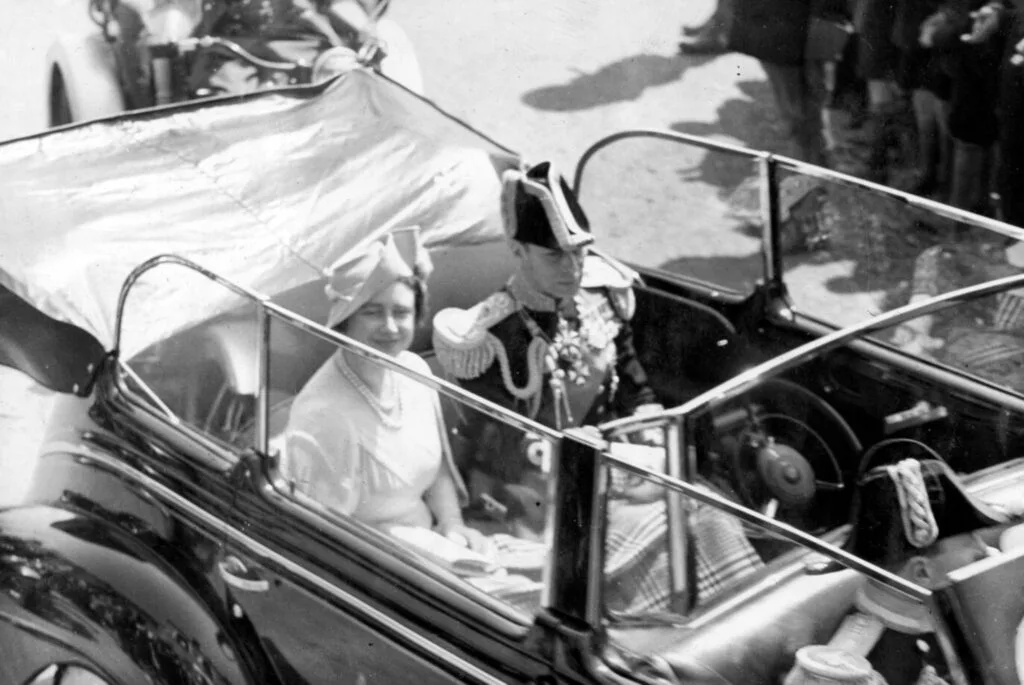
It is worth recalling now what made George VI stand out for Canadians, and it went far beyond simple questions of titles or protocol. In 1939, the royal family made a visit to Canada, an event of much greater political importance than it might seem at first glance. The arrival in Montreal was especially symbolic, because the royal couple was welcomed there not as an "overseas delegation", but as the embodiment of the country's own sovereignty.
This tour was a well-considered signal: Canada was no longer a colony waiting for instructions from London, but a distinct political entity, with its own king and its own position in the world. Formally, everything seemed familiar: the same crown, the same symbols. But the substance had already changed. And therein lay the main change: the outward form remained imperial, while the substance was gradually becoming sovereign.
At the same time, this visit also had a very practical dimension. The world was heading rapidly towards a new great war, and such gestures served to strengthen trust between Canada and the mother country, or more precisely to confirm their newfound equality. This was not simply a tour, but a political instrument wrapped in royal etiquette and public smiles.
Another element of that era deserves special attention: radio. It was precisely through radio that George VI addressed Canadians, and this was, without exaggeration, a new kind of monarchy. A king who speaks not from the palace balcony, but through loudspeakers in people's homes: it sounds almost modern, but at the time it was a genuine technological and political breakthrough. And perhaps for the first time, the monarchy stopped being only a "lofty institution" and came a little closer to ordinary people, though very cautiously, within the limits of what was allowed on the air.
Why the "evacuation" of the royal family to Montreal never happened
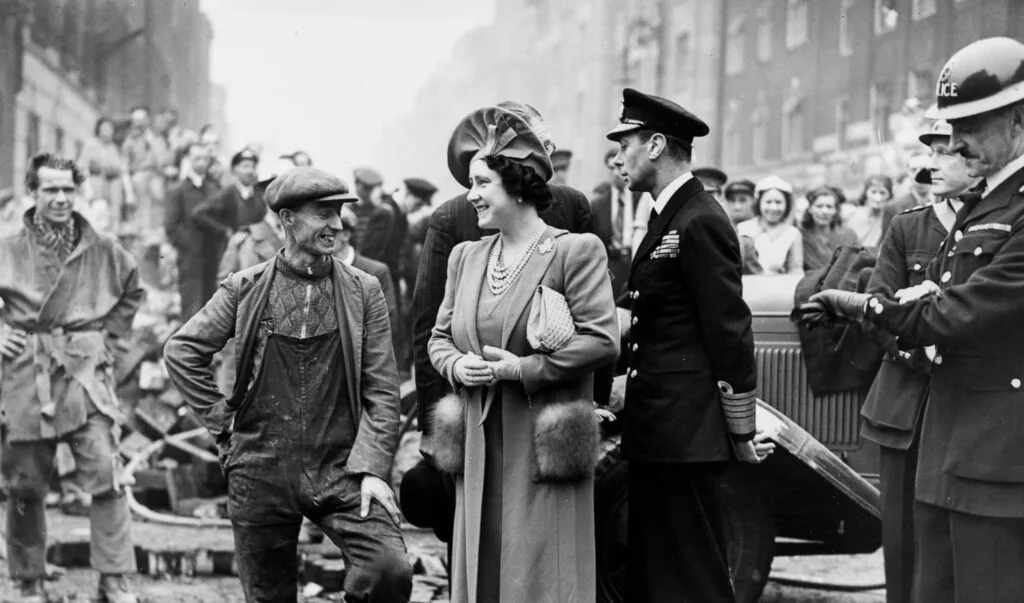
As Europe plunged headlong into the abyss of a new great war, a question was raised again and again behind the scenes of politics, one that today sounds almost like the plot of an alternate history: should the royal family not be evacuated to Canada, far from the European front? A special operation, called "Operation Fish", had even been worked out. The logic seemed simple: a safe ocean, a stable dominion and, in particular, Montreal as the potential centre of a "backup monarchy".
But this idea never went beyond the discussion stage. Officially, this was for strategic reasons and out of a refusal to move the centre of the monarchy outside the British Isles. Unofficially, it came down to simple human stubbornness. George VI and Elizabeth Bowes-Lyon decided to stay in London, even when the city became the target of German bombing.
And this is where another story begins, less official but far more human. During the Blitz, the royal family stayed in the city, which lived every night waiting for the bombs. The palace was damaged, streets were destroyed, sirens had become part of everyday life, and it was in these conditions that the monarchy suddenly stopped being a distant symbol.
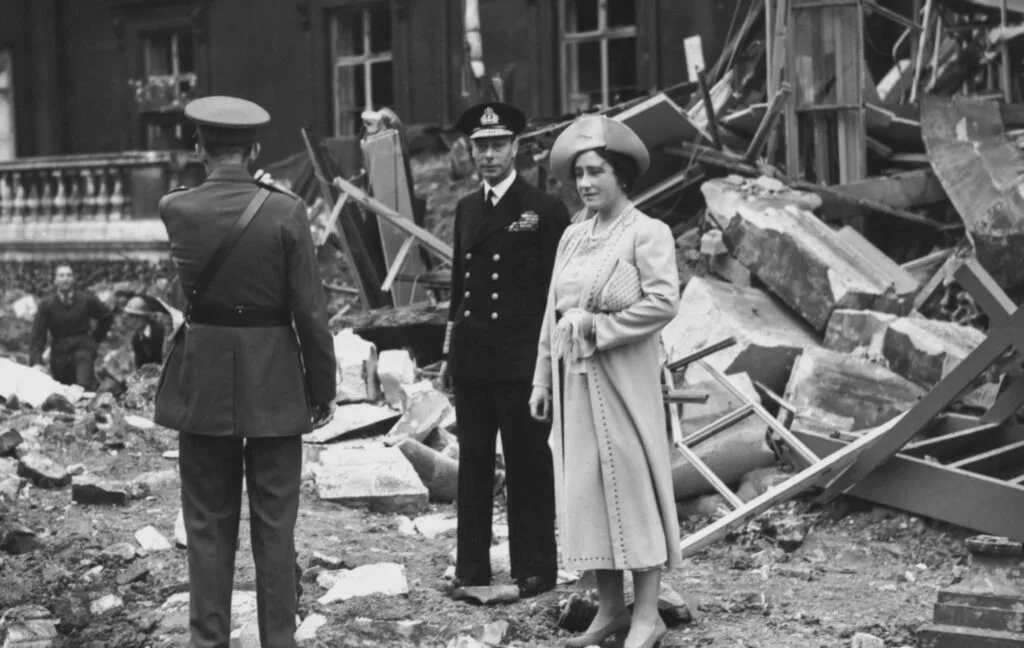
The king and queen did not leave London. They visited the devastated neighbourhoods, talked with people and stood beside those who had lost their homes. And this stubborn presence said more than many official speeches.
For Canada, this had repercussions. In wartime, the bond with the Crown did not disappear, but it evolved: it no longer appeared as an imperial order, but rather as a shared story of survival. And although Montreal never became the "backup capital of the monarchy", the very idea of this scenario clearly showed how far Canada was already seen as a full political partner, and not as a mere territory under the crown.
Long live the Queen!
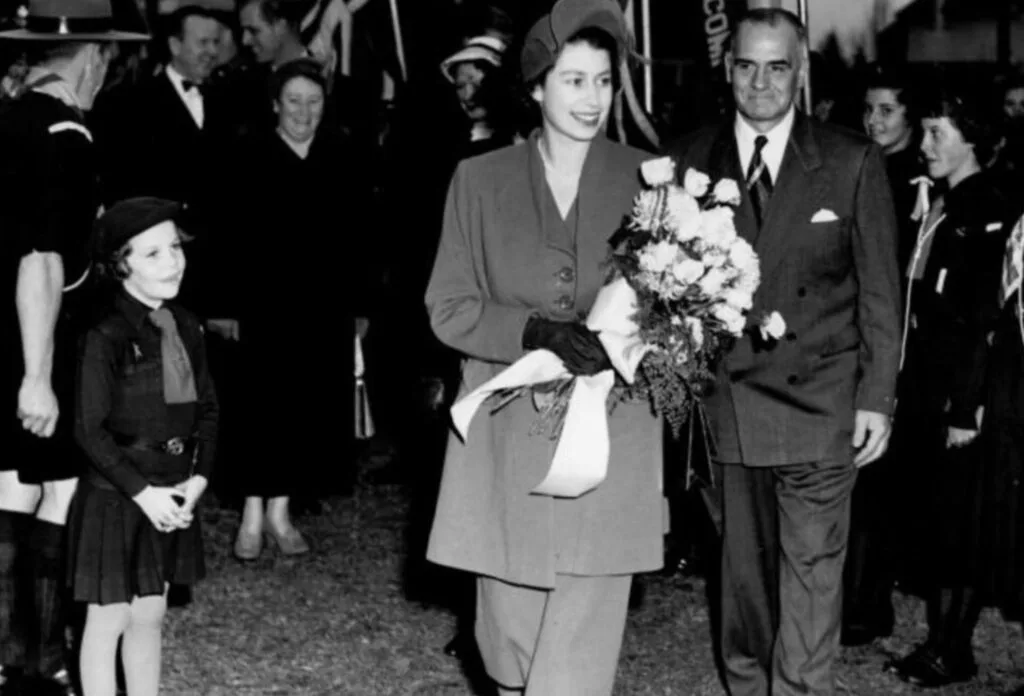
The war ended in Allied victory, and Canada came out of it no longer as a "junior partner", but as a state capable of acting thoughtfully and independently while remaining a reliable ally. Its participation in the conflict cemented a new political reality: Canada no longer needed to prove its autonomy; it simply demonstrated it.
In the 1950s, another symbolic event took place: the visit to Canada of Princess Elizabeth (the future Elizabeth II). This tour went down in history not only because of the arrival of the monarch herself, but also thanks to a media novelty: the events were broadcast on television and watched by millions of people. The monarchy was making its screen debut, and this was already an entirely different era, less solemn but considerably more popular.
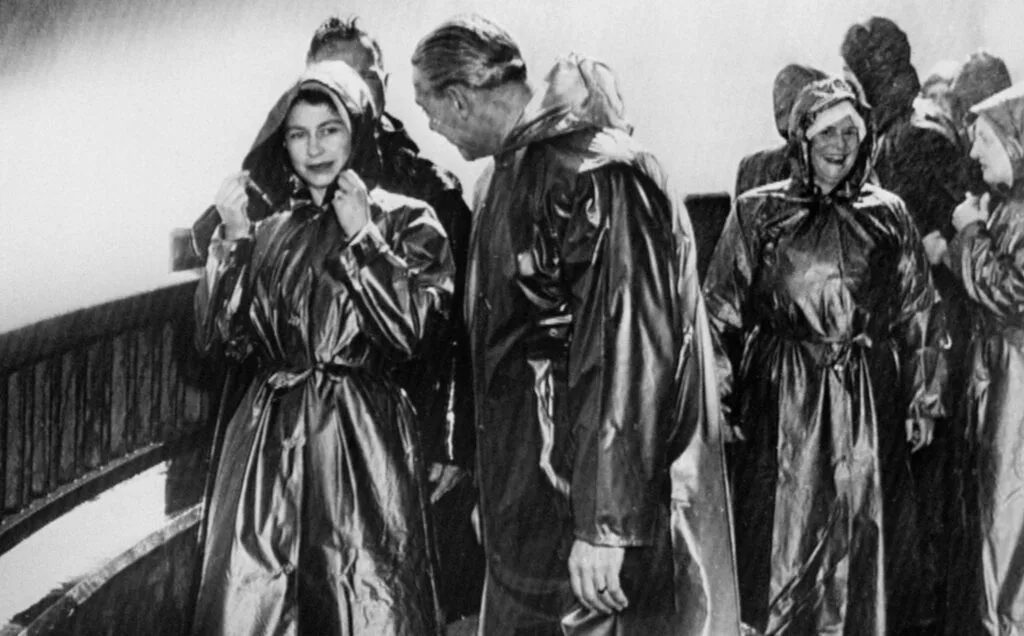
In this same context, people often bring up the well-known story of a maternity ward being declared "extraterritorial" for the birth in Canada of Princess Margrethe of the Netherlands. Although it concerned another dynasty, this episode is often mixed up with this one, in order to emphasize Canada's special status.
Behind this beautiful legend lies simply the desire to emphasize the special bond between the Crown and Canada. In reality, it is only a myth, but a telling one: it is not about legal subtleties, but about the perception of the country as something more than just a part of imperial history.
Sources:
- https://www.theatlantic.com/books/archive/2023/04/george-vi-queen-elizabeth-royals-london-blitz/673622/
- https://www.journaldemontreal.com/2025/03/02/un-tresor-darchives-photographiques-de-la-visite-royale-britannique-a-quebec
- https://www.lapresse.ca/actualites/politique/2025-05-26/les-visites-royales-au-canada-au-travers-des-annees.php
- https://ici.radio-canada.ca/nouvelle/1912941/reine-elisabeth-photos-visites-ontario
- https://histoiredemaska.com/histoire/la-visite-royale-de-1951/