Throughout the history of the Olympic Games, the bidding process to host the event has often been marked by fierce competition and lengthy negotiations. The race for the right to host the 1976 Summer Olympics was no exception. It was the bid from the city of Montreal that won over the International Olympic Committee, ultimately securing its victory to host this prestigious international sporting event. To learn more, visit montrealyes.
A candidate city for the 1976 Summer Olympics

Montreal is a Canadian city with a very rich sporting heritage. Over the decades, it has seen countless legendary athletes be born and grow up, and it has been home to top sports teams, iconic arenas and much more. Despite its relatively modest size and limited infrastructure compared with other well-known candidates, the city of Montreal decided to bid for the 1976 Summer Olympics.
The governments of Montreal and Canada at the time understood that hosting the Games could be a transformative event for the city, an opportunity to show its potential on the world stage. The bid committee therefore decided to present Montreal as a dynamic metropolis driven by a deep love of sport.
The bid for the 1976 Summer Olympics

Montreal's bid for the 1976 Summer Olympics rested on the promise of leaving a lasting sporting legacy for the city and its residents. The bid committee drew up a sweeping municipal development plan that showed Montreal's commitment to building modern sports facilities, improving transportation networks and creating a welcoming environment for athletes and visitors.
Understanding the importance of public support, the bid committee ran a broad campaign to rally Montrealers behind the Olympic project. They organized community events and got local schools and universities involved, creating a sense of excitement and unity across the city. This grassroots mobilization generated a wave of support that proved crucial in Montreal's quest to host the Games.
International diplomacy played a key role in Montreal's bid. The bid committee worked tirelessly to build relationships with influential members of the International Olympic Committee (IOC) and other decision-makers, demonstrating the city's commitment to Olympic values and its ability to stage a world-class event. These efforts succeeded in convincing key players within the IOC.
The host city for the 1976 Games was selected in Amsterdam in 1970. The main contenders were Los Angeles and Moscow, which represented the two world superpowers of the day. But there was a third candidate: Montreal. Many leaned towards Montreal, seen as a neutral choice to host the event.
Financing the 1976 Summer Olympics

The financial side of hosting the Games was a crucial factor in Montreal's bid. The bid committee meticulously prepared a comprehensive financial plan that showed the city's ability to fund and manage the event. This transparent approach, combined with the strength of Montreal's economy and a commitment to fiscal responsibility, helped ease fears about the project's viability.
In the end, the 1976 Summer Olympics cost the city of Montreal 6.1 billion US dollars. In 21st-century terms, this amount represents a colossal cost overrun of 720% in real terms. This figure includes sports-related spending, such as operating costs (technology, transportation, labour, administration, security, catering, ceremonies and medical services), as well as direct capital spending, including the construction of the sports facilities needed to hold the Games.
The cost overrun for the 1976 Montreal Games is the largest in the entire history of the Olympic Games. By comparison, the average cost of the Summer Olympics between 1960 and 2016 was about 5.2 billion dollars, with an average cost overrun of 176%.
Historical legacy

The Olympic Games served as a powerful catalyst for the legacy of the city and its residents. Steps were taken to repurpose the Olympic venues after the competitions, ensuring that they would continue to serve the community and contribute to Montreal's development. This commitment to sustainability resonated strongly with the IOC's evolving vision for the Olympic movement. In addition, a host of sports organizations and associations came into being, which undeniably boosted the development of sport in the city.
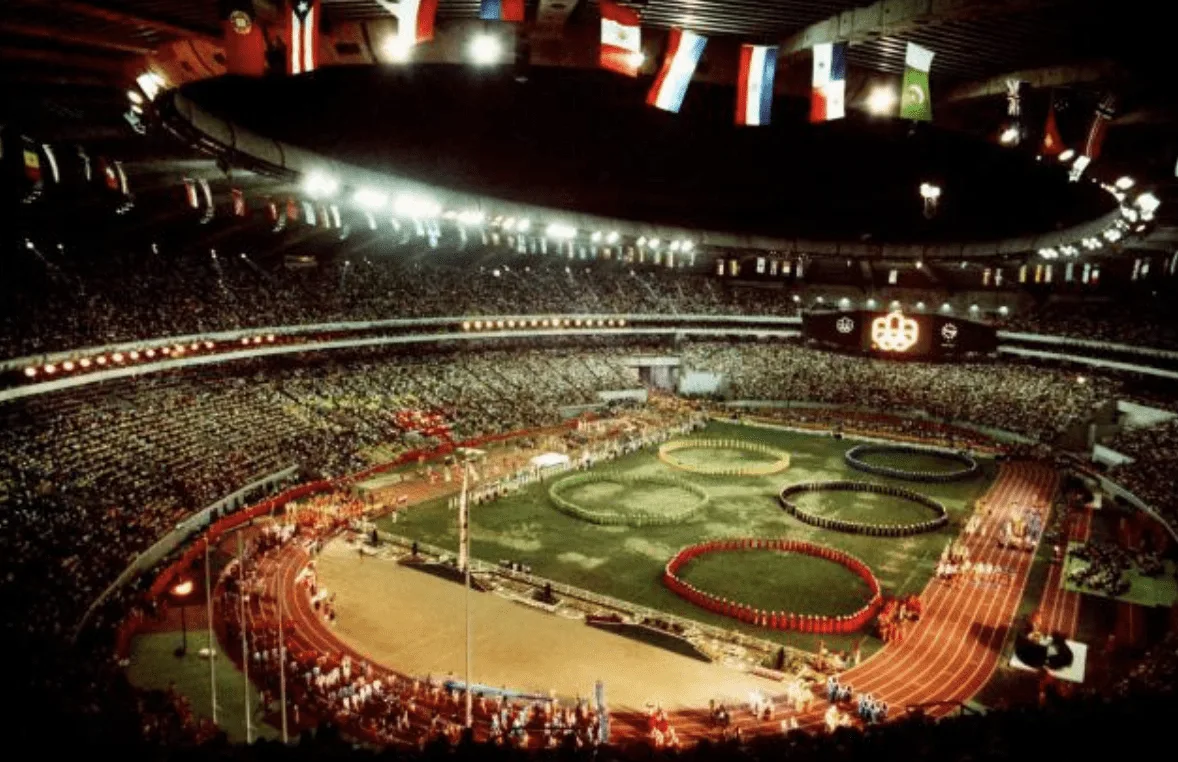
In Montreal's history, the 1976 Olympic Games were the first and last sporting event on this scale. At the time, an entire Olympic Park was built, including a pool, a stadium, a velodrome, the Jardin botanique, an arena for boxing and wrestling, and an Olympic Village, with additional venues in Greater Montreal and outside the city.
Although the 1976 Olympic Games had a positive impact on the development of sport in Montreal, their overall legacy can be described as complicated. Many experts consider the event to have been a real financial disaster for the city, which remained in debt for 30 years after the Games. In addition, many sports facilities, built in haste, did not work properly. This is especially true of the Olympic Stadium, whose retractable roof never worked as planned. Over the 20th and 21st centuries, the stadium has also been closed several times for renovations.
Next articleWhat Did Jean Doré Do as Mayor of Montreal?